Why Chores Are Essential for Child Development
24 July 2026
If you’ve ever handed your child a dustpan and broom and gotten the infamous eye roll or heard a groan that could rattle the walls — you’re not alone. Chores can be a tough sell in many households. But here’s the thing: chores aren’t just about keeping the house clean. They hold a powerful role in shaping your child’s character, work ethic, and ability to navigate life.
Sounds like a stretch? Not really.
Let’s take a deep dive into why chores are essential for child development — and how handing your little one that laundry basket might be one of the best parenting moves you make.
What Are Chores, Really?
At a glance, chores are the everyday tasks that keep a household running—washing dishes, sweeping floors, folding laundry, feeding the pets, and taking out the trash.But when it comes to kids, chores are more than tasks. They’re tiny life lessons in disguise. Each responsibility kids take on teaches them something new—organization, time management, teamwork, empathy, and even resilience.
Think of chores as the building blocks of independence. Small tasks today pave the way for big responsibilities tomorrow.
Building Responsibility (One Chore at a Time)
Responsibility isn’t something kids magically wake up with when they turn 18. It grows—like a muscle—with consistent use and practice.When children are assigned chores, they start to realize that their contributions matter. Whether it's setting the table or watering the plants, they begin to understand that they’re part of a team. That sense of ownership can be incredibly empowering.
And let’s be real—kids love to feel needed.
Give them a job and genuine praise, and you’ll see shoulders straighten and smiles sneak onto their faces. That’s confidence being built right in front of you.
Fostering Independence and Self-Reliance
We all want our kids to become independent adults, right? But independence doesn’t suddenly appear during their teen years. It's learned.Kids who participate in regular chores learn how to take care of themselves and their environment. They start developing crucial life skills—like cooking simple meals, doing laundry, or organizing their space.
That means by the time they head off to college or move out, they won't be calling home asking how to turn on a washing machine. (Okay, maybe they still will—but they’ll at least have the basics down.)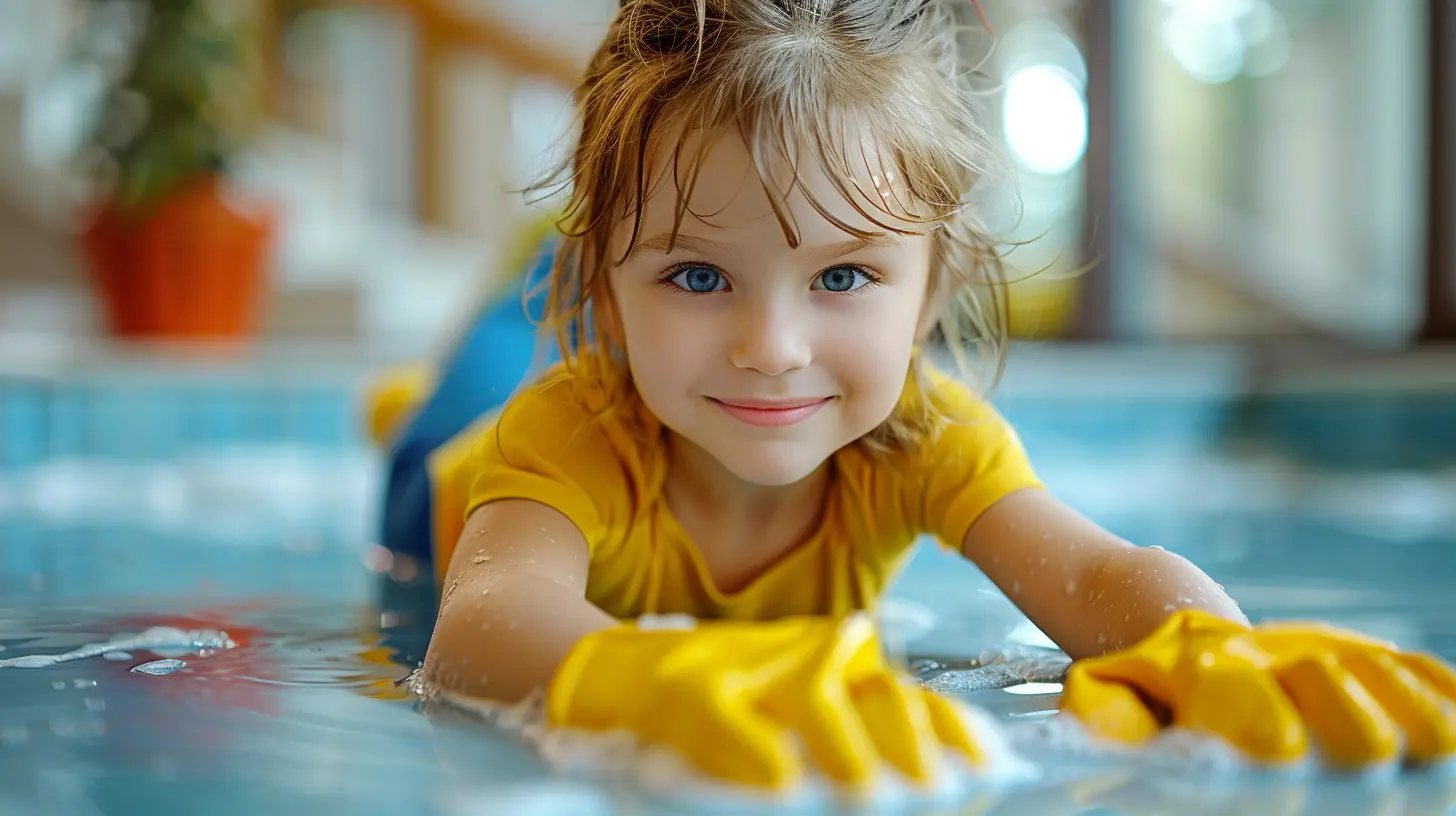
Promoting Time Management and Routine
Have you noticed how kids thrive on routine? Even if they push back, routines give structure to their days and help them understand expectations.Adding chores to their daily or weekly routine promotes time management. They’ll start figuring out how to balance responsibilities with fun.
Ever watched a kid rush to fold laundry just so they can earn screen time? That’s time prioritization in real-time.
And when they manage time well in childhood, it's an easier transition to managing schoolwork, jobs, and adult life in general.
Boosting Self-Esteem Through Accomplishment
There's something special about completing a task and knowing you did a good job. Kids feel that too.When they help out and get a, “Thanks, you really helped me today,” it’s like handing them an invisible trophy. It tells them their work is valuable, and more importantly, that they're valuable.
Even small chores, like sweeping up crumbs or making their bed, give them a sense of achievement. Over time, those little wins stack up, building strong self-esteem.
Teaching Teamwork and Cooperation
Ever assigned a single chore to two siblings? You might witness a few power struggles, but if given the right encouragement, you’ll start to see collaboration emerge.Chores teach kids how to work with others. Because let’s face it — families are teams, and homes don’t run by themselves. When every member contributes, there's a shared sense of accomplishment and respect.
Kids learn to listen, compromise, and collaborate. All of which are skills that translate beautifully into friendships, school group projects, and future workplaces.
Instilling a Strong Work Ethic
We live in a world where instant gratification is everywhere. But chores? They’re old-school. They require effort, patience, and sometimes, repetition.By encouraging kids to stick with tasks—even ones they don’t love—you’re planting the seeds of a strong work ethic. You're showing them that not everything in life is fun, but everything has value.
And here’s the kicker: those are the same qualities employers and successful professionals look for down the road.
Cultivating Gratitude and Empathy
When kids contribute to household chores, they start to appreciate what others do for them. They realize that clean clothes don’t magically appear in drawers and the fridge doesn’t refill itself.That awareness fosters empathy.
They begin to see parents, siblings, and even friends in a new light—understanding that effort goes into making things run smoothly. And let’s be honest, a little gratitude around the house never hurt anyone.
Encouraging Financial Understanding (If You Pay Allowance)
While every family handles the topic of allowances differently, tying certain chores to a reward can provide lessons in money management.Getting paid for extra tasks helps kids understand the value of work and how money is earned. It opens the door to conversations about saving, spending wisely, and setting goals.
Whether it’s saving for a toy, contributing to a family outing, or donating to a charity—it’s all part of building financial literacy from a young age.
Reducing Entitlement
Ever met a child (or adult) who expects everything to be handed to them? Yeah, not cute.Chores help nip that attitude in the bud. They remind kids that being part of a home isn't a free ride—it’s a shared space that everyone is responsible for.
There’s something very grounding about knowing you’re expected to show up and do your part.
It shifts the mindset from "What can I get?" to "How can I contribute?"
Age-Appropriate Chores: What Kids Can Do, And When
Worried your child is too young to help? You’d be surprised.Here’s a quick guide to match chores with age levels:
Toddlers (Ages 2-3)
- Put toys in bins- Toss clothes in the laundry basket
- Help feed the family pet
Preschoolers (Ages 4-5)
- Make the bed (no perfection expected!)- Water plants
- Set the napkins on the table
Kids (Ages 6-9)
- Fold towels- Sweep floors
- Pack their own lunch (with help)
Preteens (Ages 10-12)
- Vacuum- Do their laundry
- Take out the trash
Teens (Ages 13+)
- Mow the lawn- Cook simple meals
- Help with grocery shopping
Start small and build. Progress over perfection.
Tips to Get Kids Involved (Without World War III)
Let’s be real, kids aren’t always eager to help. But with the right strategies, you can ease into a chore routine with fewer battles.1. Be Clear and Consistent
Set expectations. Don’t leave it vague. “Clean your room” can mean anything. Instead, say, “Put your dirty clothes in the hamper and books on the shelf.”2. Make It Fun (Or At Least Less Boring)
Turn on music, set a timer for a “speed clean,” or make it a game. A little creativity goes a long way.3. Use Charts or Apps
Visual progress is motivating. Sticker charts or chore apps turn responsibilities into visual accomplishments.4. Offer Praise and Encouragement
Notice their effort, not just the result. A simple, "Thanks for unloading the dishwasher—that helped a lot" can be a game-changer.5. Model the Behavior
Kids learn by imitation. Let them see you doing your own chores with a good attitude. That sets the tone.The Long-Term Payoff: Raising Capable, Confident Adults
It’s easy to underestimate chores. But over time, these small responsibilities teach discipline, empathy, leadership, and resilience.More importantly, chores show kids that they’re capable. And knowing they can handle real-life tasks boosts their confidence astronomically.
When we make chores part of everyday life, we’re not just keeping a tidy house. We’re molding our kids into responsible, thoughtful, and independent humans who can navigate the world with grit and grace.
And isn’t that what parenting’s all about?
Final Thoughts
Chores may seem tedious in the moment, both for parents and kids. But they’re one of the most underrated tools in your parenting toolkit. They teach life skills, build character, and help prepare your children for the real world—one dish, one dustpan, one garbage bag at a time.So next time your child sighs at the mention of washing the dishes, remember—you’re not just asking them for help. You’re giving them a head start in life.
Now, how’s that for a win-win?
all images in this post were generated using AI tools
Category:
Chores For KidsAuthor:

Austin Wilcox
Discussion
rate this article
1 comments
Greyson Reese
Chores teach responsibility and teamwork, helping kids build confidence and life skills. Engaging them in daily tasks can strengthen family bonds and empower them to take pride in their contributions. Let's raise capable, resilient children together!
July 28, 2026 at 3:38 AM
Austin Wilcox
Absolutely! Chores are a great way for kids to learn responsibility and teamwork. They not only help build confidence but also strengthen family connections. Let's keep encouraging these valuable life skills.