Why Emotional Intelligence Matters in Preschool Education
18 October 2026
Let me paint a scene you probably know. It is 8:45 on a Tuesday morning. A four-year-old is lying on the floor of the classroom, screaming because the blue cup is not the red cup, and the red cup is currently in the dishwasher, and the dishwasher is a concept he does not fully grasp. A teacher crouches down, speaks in a low voice, names the feeling, offers a choice, and within ninety seconds the child is wiping his nose and negotiating for the dinosaur sticker. Meanwhile, a parent watching from the doorway is thinking: how did she do that? And why does the same trick fail spectacularly when I try it at home?
That ninety-second exchange is emotional intelligence in action. Not a poster on the wall. Not a curriculum binder with a smiling cartoon sun on the cover. A real skill, deployed in real time, by an adult who has practiced it. And the reason it matters so much in preschool is that the children watching that exchange are not just witnessing it. They are downloading it.
This article is about why that matters more than most of what gets printed on preschool brochures, how emotional intelligence actually works in a classroom of tiny humans, and what parents and educators get wrong about it. There will be sarcasm. There will also be practical advice you can use tomorrow morning before the cup incident happens.

What Emotional Intelligence Actually Means in a Preschool Room
The term gets thrown around so much that it has started to mean everything and nothing. So let us be precise. Emotional intelligence, in a preschool context, is the ability to notice what you are feeling, understand why, manage the impulse that follows, and read the same signals in other people. For a four-year-old, that looks like: noticing you are frustrated, saying "I am mad" instead of biting your friend, and eventually, with coaching, noticing that your friend is sad because you took the truck.Notice the word "eventually." This is not a switch that flips. It is a slow build, more like learning to ride a bike than learning the alphabet. You will fall. There will be scrapes. The important part is that someone is running alongside the bike.
Here is the part people miss: emotional intelligence in preschool is not primarily about the children. It is about the adults. Children learn emotional regulation the way they learn language, by being immersed in it and by imitating the people who matter most. A teacher who sighs dramatically and mutters under her breath when a child spills paint is teaching a lesson, just not the one on the lesson plan. A teacher who says, out loud, "I am feeling frustrated because the paint spilled, so I am going to take a breath and get the paper towels" is teaching the actual curriculum.
That distinction, adult modeling versus child instruction, is the single most important thing to understand about this topic. Everything else follows from it.
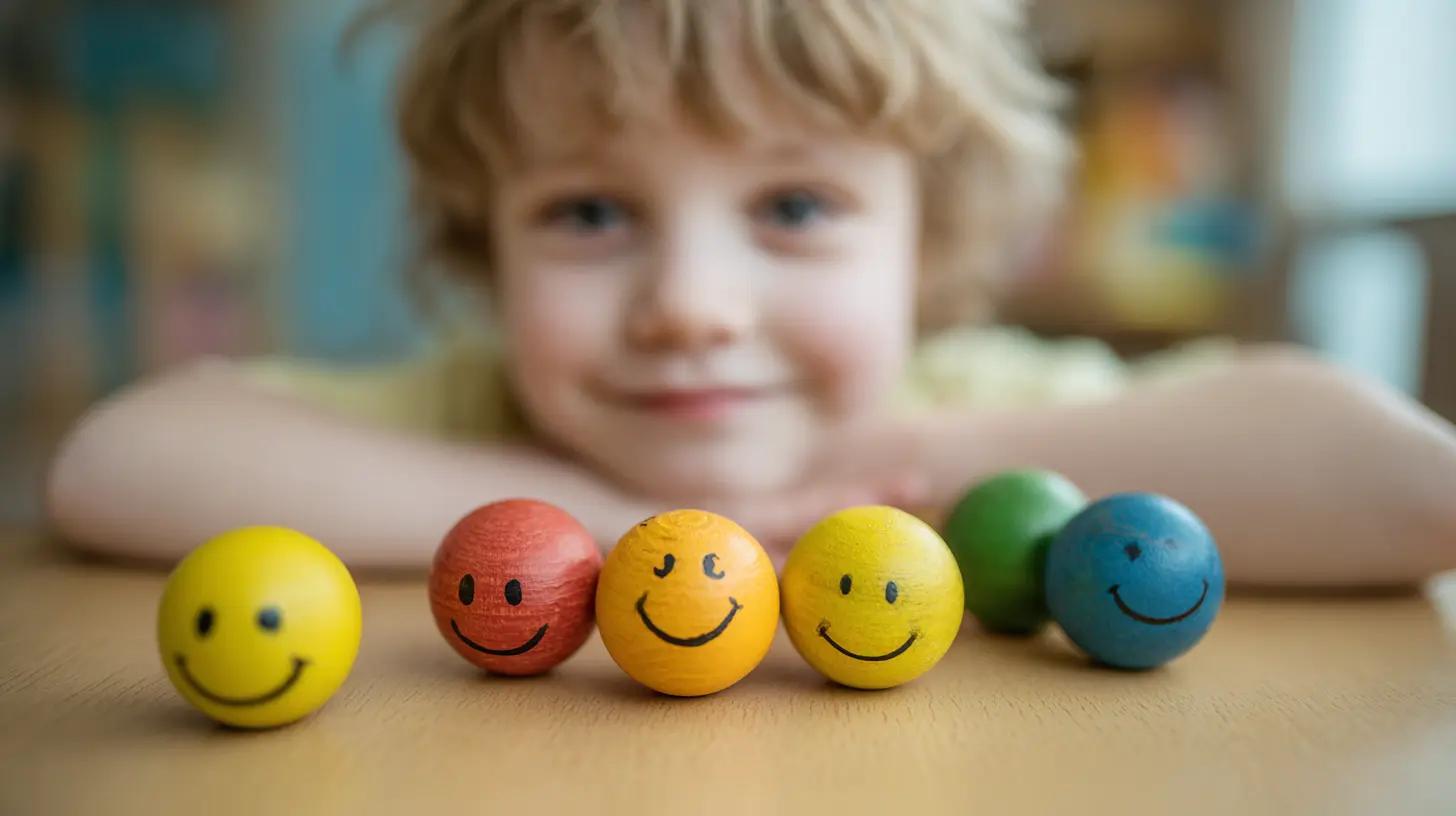
The Brain Science, Without the Jargon
You do not need a neuroscience degree to work with preschoolers, but you do need a working model of what is happening in their heads. Here is the short version.The part of the brain responsible for planning, impulse control, and calming down is under construction until roughly the mid-twenties. In a preschooler, it is basically a construction site with one guy and a wheelbarrow. The emotional alarm system, by contrast, is fully operational and extremely sensitive. This is why a dropped cracker can trigger a response that looks, frankly, disproportionate to the event.
This is not a defect. It is a developmental stage. But it explains why telling a screaming four-year-old to "calm down" is roughly as useful as telling a person on a roller coaster to stop being scared. The instruction names the goal without providing the mechanism.
What actually works is co-regulation. An adult lends the child their calm nervous system until the child can borrow the skill. You get low, you slow your speech, you breathe audibly, you name what you see. Over time, and I mean over months and years, the child internalizes the process. The adult scaffolding gets removed, plank by plank, and the child builds their own.
This is why emotional intelligence cannot be taught as a standalone lesson at 10:15 on Wednesdays. It has to be woven into the fabric of the day, in the transitions, the conflicts, the spilled juice, the goodbye at the door. The curriculum is the day itself.
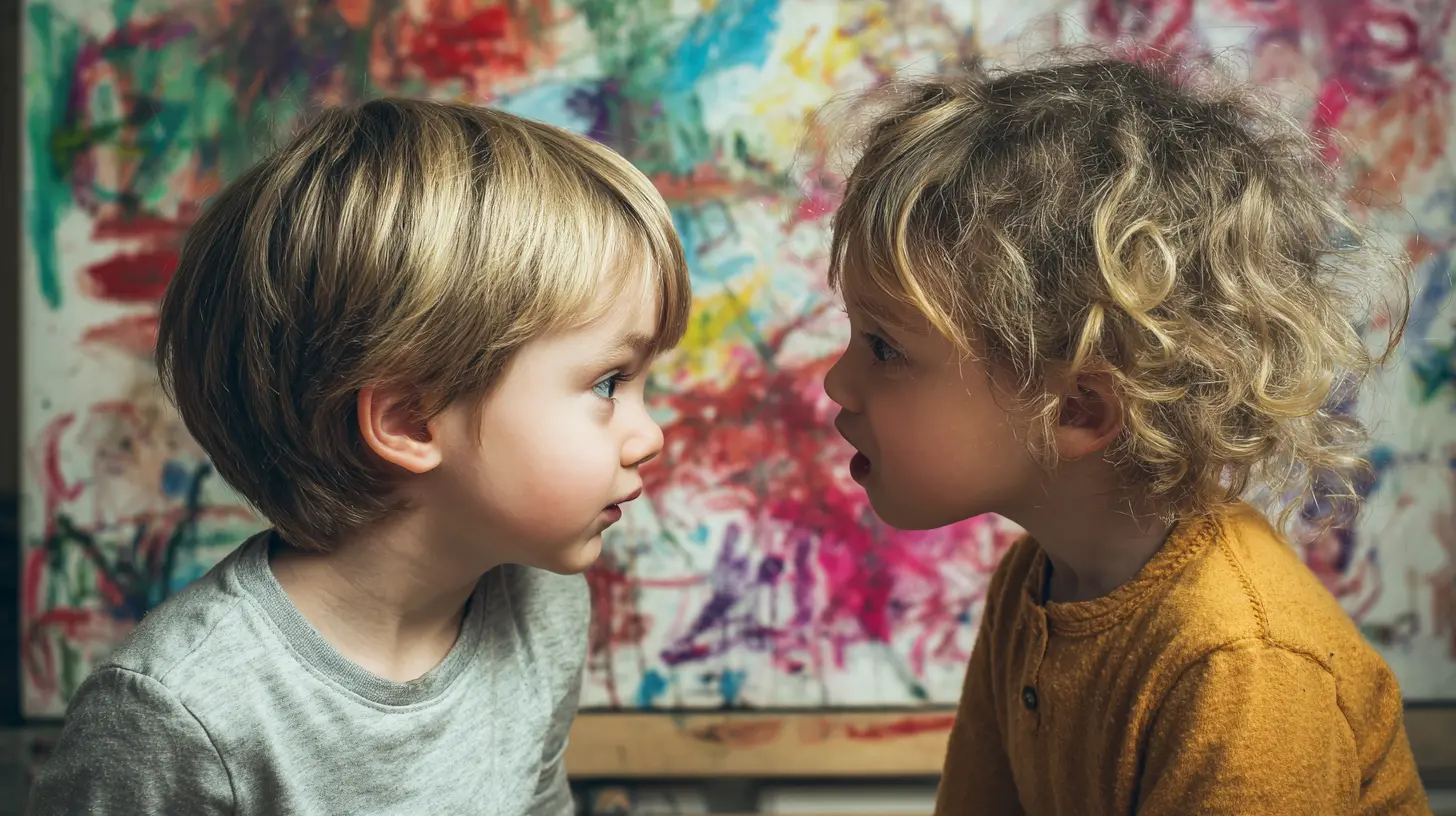
Why Preschool Is the Ideal Window
You could argue that emotional intelligence matters at every age. True. But preschool is where the foundation gets poured, and foundations are much harder to retrofit than to pour correctly the first time.Three things converge in the preschool years. First, language explodes. Children go from pointing and grunting to narrating their inner world, which is the raw material of emotional awareness. Second, peer relationships become real for the first time. A toddler plays next to another child. A preschooler plays with one, which means conflict, negotiation, sharing, and the occasional betrayal over a plastic dinosaur. Third, the brain is at its most plastic. Habits formed now are cheap. Habits changed later are expensive.
Consider the comparison. A child who learns at four that big feelings are survivable and nameable enters kindergarten with a toolkit. A child who learns at four that big feelings get them in trouble, or get ignored, enters kindergarten with a different toolkit, one that involves hiding, escalating, or shutting down. Both children will be in the same classroom. Only one of them will spend first grade learning to read instead of learning to manage a meltdown in the coat closet.
That is the trade-off in a nutshell. You can invest in emotional coaching now, or you can pay for it later in the form of behavior plans, parent-teacher conferences, and a child who believes their feelings are a problem. The early investment is cheaper. It is also kinder.

The Myth of the "Good Kid"
Here is a misconception worth dismantling with a hammer. Many adults, often without realizing it, equate emotional intelligence with compliance. The quiet child who never cries, never argues, and sits politely through circle time is praised as emotionally mature. The child who sobs when the schedule changes is labeled "dysregulated."This is backwards, or at least dangerously incomplete. A child who never expresses big feelings may not be managing them. They may be suppressing them, which is a different skill entirely and one that tends to send a bill later in life. The child who cries when the schedule changes is actually doing something developmentally appropriate: they had an expectation, it was violated, and they are expressing distress. The emotional intelligence work is not to stop the crying. It is to help the child name what happened and find a way through it.
I have watched teachers praise a silent, compliant child as a "role model" while the child's eyes glazed over. I have also watched teachers sit with a screaming child for twenty minutes, name feelings, offer comfort, and produce a kid who, six months later, says "I am disappointed" instead of throwing a chair. Guess which child actually built a skill.
This matters for parents choosing a preschool. If a program advertises that children "never have behavior problems," ask what that means. It may mean the staff is skilled. It may also mean the children have learned that big feelings are not welcome. Those are very different environments, and the brochure looks the same.
What Emotional Intelligence Looks Like in Practice
Enough theory. Here is what this actually looks like on a Tuesday, and why each move works.Naming Feelings Out Loud
A child is crying because a block tower fell. The adult says, "Your tower fell and you are really disappointed. You worked hard on that." This is not magic. It is a three-part move: describe the event, name the feeling, acknowledge the effort. It works because it gives the child language for an experience they are having but cannot yet articulate. The naming itself is regulating. There is a reason adults feel better when they can say "I am overwhelmed" instead of just feeling awful.The common mistake here is naming the wrong feeling. "You are sad" when the child is furious will land badly, because the child knows you missed it. Get curious. "You look really frustrated. Is that right?" Let them correct you.
Offering Choices Within Limits
A child refuses to clean up. Instead of a power struggle, the adult offers two acceptable paths: "You can put the blocks in the bin or the bin can come to the blocks. Which one?" This works because it preserves the child's sense of autonomy, which is the actual thing they are fighting for, while keeping the boundary intact. It is a trade-off: you give up the satisfaction of being obeyed immediately in exchange for a child who learns to make decisions.Do not overuse this. If every instruction becomes a menu, you are training a tiny negotiator. Save the choices for the moments that matter.
Coaching the Conflict, Not Solving It
Two children want the same truck. The lazy move is to take the truck away from both, which solves the adult's discomfort and teaches nothing. The better move is to narrate and facilitate: "You both want the truck. That is a problem. What can we do?" Then wait. The silence is uncomfortable. Sit in it.This works because it hands the problem back to the children, where the learning lives. It does not always work on the first try, and sometimes you have to offer a suggestion. But the goal is not a fair outcome. The goal is a child who, at five or six, can negotiate without an adult.
Repair After Rupture
Every adult loses their temper sometimes. The emotionally intelligent move is not to pretend it did not happen. It is to repair: "I yelled earlier. That was not okay. I was frustrated and I should have taken a breath. I am sorry." This works because it models the exact skill you want the child to learn: accountability without shame. It also teaches that relationships survive conflict, which is one of the most reassuring things a child can learn.
Common Mistakes and How to Avoid Them
Even well-meaning adults get this wrong, often in predictable ways. Here are the big ones.Mistake one: rewarding suppression. "You are fine, stop crying" teaches a child that feelings are inconvenient. The alternative is not endless indulgence. It is "You are allowed to be upset. I will sit with you until you are ready." That is a boundary and a comfort at the same time.
Mistake two: over-labeling. Some adults, having read one book, narrate every emotion like a sports commentator. "You seem ambivalent about the playground!" Children tune this out fast. Use feeling words when they are useful, not as a running monologue.
Mistake three: skipping the body. Emotional regulation is physical. A dysregulated child often cannot process words until their body settles. Teach them to blow out a candle, squeeze a pillow, stomp three times. Do this when they are calm, so it is available when they are not.
Mistake four: inconsistency between home and school. If the preschool coaches feelings and the home punishes them, the child gets a confusing message. This is not about blame. It is about coordination. Ask the teacher what language they use and borrow it. Small consistency goes a long way.
Mistake five: expecting linear progress. A child who handled a disappointment beautifully in October may fall apart in November. That is normal. Development is not a staircase. It is more like a stock chart with a general upward trend and some alarming dips.
What to Look For in a Preschool Program
If you are choosing a program, or evaluating the one you have, here is what actually signals emotional intelligence work, as opposed to a poster of a feelings chart.Ask how the staff handles conflict between children. Listen for language about coaching, naming, and facilitating rather than punishment and removal. Ask what happens when a child has a meltdown. A good answer involves a calm adult, a quiet space, and no shame. A bad answer involves a timeout chair and a lecture.
Ask how the staff handle their own frustration. This is the question that separates programs. If the answer suggests teachers are expected to be endlessly serene, be suspicious. Real emotional intelligence includes adults who can say "I need a minute" and take it. A program that does not support staff regulation will not produce regulated children. It is that simple.
Ask whether feelings are part of the daily conversation, not just a weekly lesson. Emotional intelligence is a practice, not a subject. If it only appears on the schedule, it is not really happening.
The Parent's Role, Without the Martyrdom
Parents, this is not another item for the guilt list. You do not need to be a perfectly regulated human. You need to be a repairing one.The research, and honestly the common sense, points to a simple truth: children do not need flawless adults. They need adults who notice when they have messed up and come back to fix it. That repair is the lesson. It teaches that conflict is survivable, that accountability is possible, and that love does not evaporate when someone raises their voice.
So pick one or two practices and make them habits. Name your own feelings out loud, briefly, without making the child manage them. Offer choices within limits. Sit with a feeling instead of rushing to fix it. Repair after you lose your cool. That is it. You do not need a curriculum. You need consistency and a willingness to be a little uncomfortable while a small person processes something in real time.
The Long Game
Here is the honest trade-off. Emotional intelligence work is slow. It does not produce the satisfying visible progress of a child reciting the alphabet or counting to twenty. It produces something quieter: a child who can say "I am frustrated" instead of hitting, a child who notices a friend is sad, a child who can recover from disappointment without falling apart.That quiet progress compounds. The preschooler who learns to name a feeling becomes the elementary student who can ask for help, the teenager who can walk away from a bad situation, and eventually the adult who can sit in a difficult meeting without either exploding or shutting down. You are not just raising a pleasant four-year-old. You are building a person.
So yes, the blue cup versus red cup incident matters. Not because of the cup. Because of what happens in the ninety seconds after. That is where the real curriculum lives, and it is being taught whether or not anyone planned it.
all images in this post were generated using AI tools
Category:
Early Childhood EducationAuthor:

Austin Wilcox