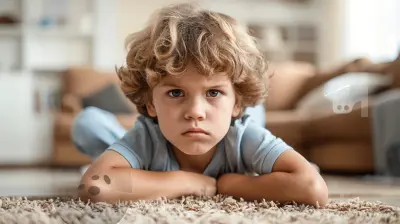
Why Outdoor Play Is Essential for Young Learners
8 August 2026
Walk into any preschool classroom and you will see blocks, books, puzzles, and art supplies. Walk outside and you will see something just as valuable, though often overlooked: a living classroom without walls. The shift toward screen-based learning and structured indoor activities has pushed outdoor play to the margins of early childhood education. That is a mistake. For young learners, time outside is not a break from real learning. It is a core part of it.
Children between the ages of three and seven are at a critical stage of brain development. Their bodies are growing rapidly, their social skills are forming, and their ability to regulate emotions is still very much under construction. Outdoor play supports all of these processes in ways that indoor settings simply cannot replicate. This article looks at why outdoor play is essential, what it actually does for child development, and how parents and educators can make the most of it without falling into common traps.
The Sensory Richness of the Outdoors
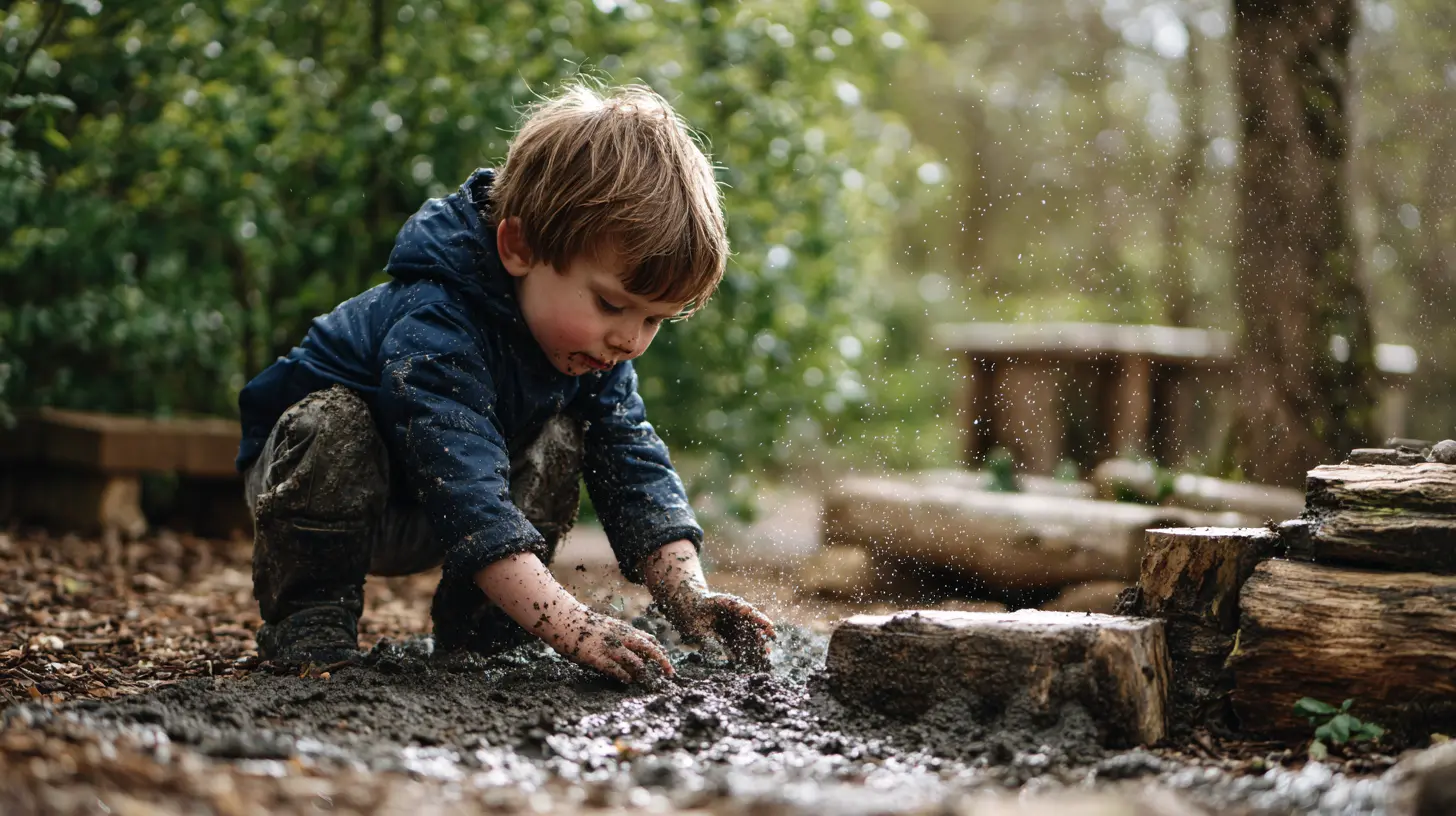
Indoor environments are relatively predictable. The temperature is controlled, the lighting is even, and the surfaces are flat. Outdoor environments are the opposite. The ground is uneven. The wind changes direction. The light shifts with the clouds. There are sounds of birds, traffic, distant voices, and rustling leaves. There are smells of grass, soil, rain, and flowers. For a young child, this is not background noise. It is raw data.The brain develops through sensory input. When a child steps on a rock, feels the bark of a tree, or catches a falling leaf, the brain is building neural pathways that connect touch, vision, balance, and movement. These pathways are the foundation for later skills like reading, writing, and spatial reasoning. A child who spends time outdoors is not just playing. They are calibrating their senses.
Consider the difference between stepping on a flat indoor mat and stepping on a grassy hill. The indoor mat gives the foot a uniform signal. The grassy hill gives dozens of different signals: soft patches, hard patches, slopes, and small obstacles. The child's foot and brain must work together to adjust balance and pressure. This kind of sensory variety is impossible to replicate with indoor equipment, no matter how well designed.
Physical Development and the Decline of Free Movement
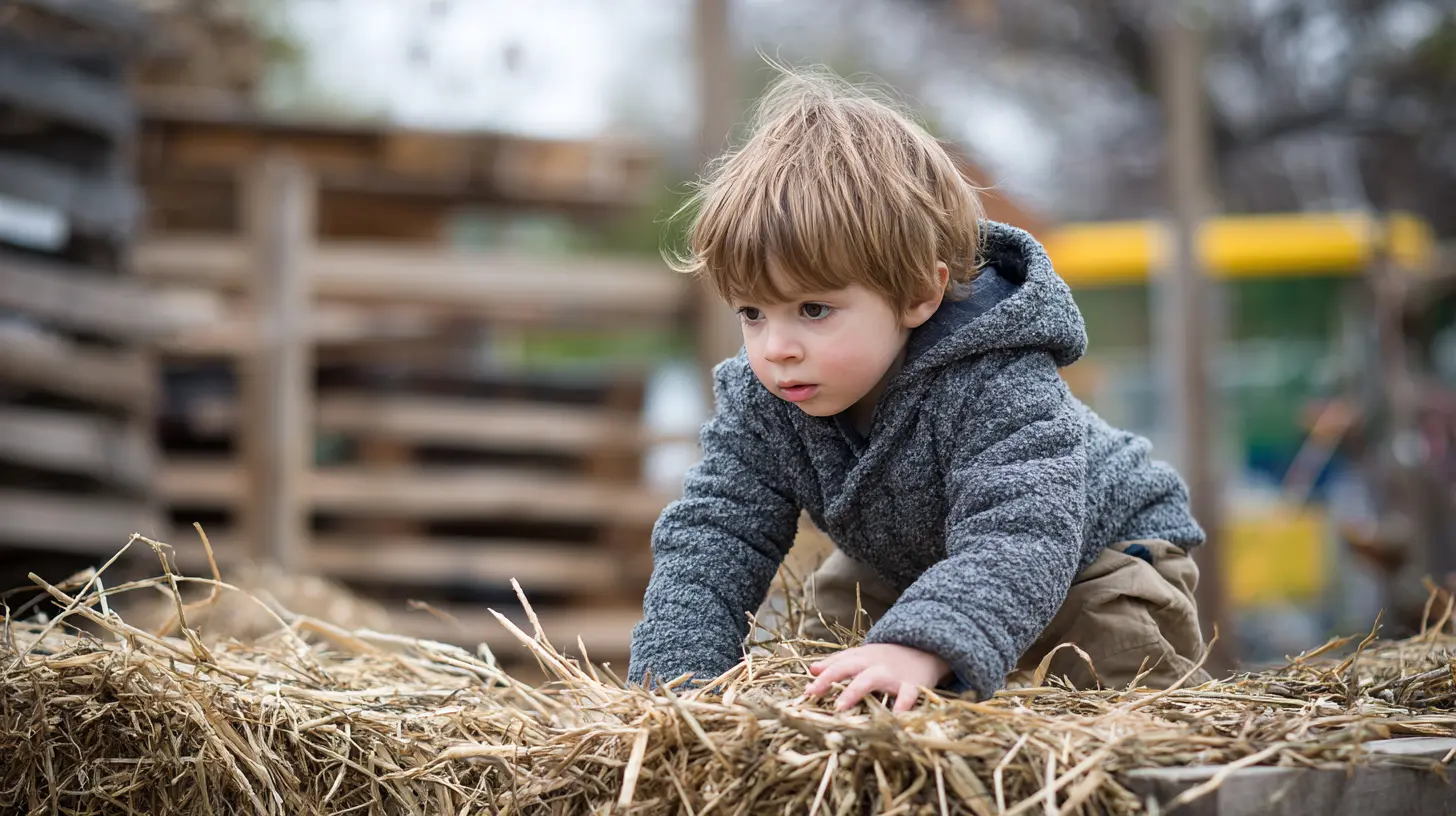
There is a well-documented trend of children becoming less physically active. Many young learners spend the majority of their day seated, whether in a classroom, a car seat, or in front of a screen. This has real consequences. Large muscle groups need regular use to develop strength and coordination. Small muscles in the hands need whole-body movement to build the core stability that supports fine motor tasks like writing.Outdoor play provides the most natural form of physical exercise for young children: running, jumping, climbing, throwing, and balancing. These activities are not just fun. They are biologically appropriate forms of movement. A child who climbs a tree is practicing grip strength, spatial awareness, and risk assessment. A child who throws a ball is developing hand-eye coordination and learning about force and trajectory. A child who runs across a field is building cardiovascular endurance and leg strength.
The trade-off here is between structured physical education and free outdoor play. Both have value, but they serve different purposes. Structured PE teaches specific skills and rules. Free outdoor play allows children to move in ways that feel natural and self-directed. Young learners need both, but free play is often the one that gets cut when schedules get tight. That is a mistake. A child who only moves when told to move will not develop the same love of activity as a child who moves because they want to.
Cognitive Benefits: Problem Solving and Executive Function
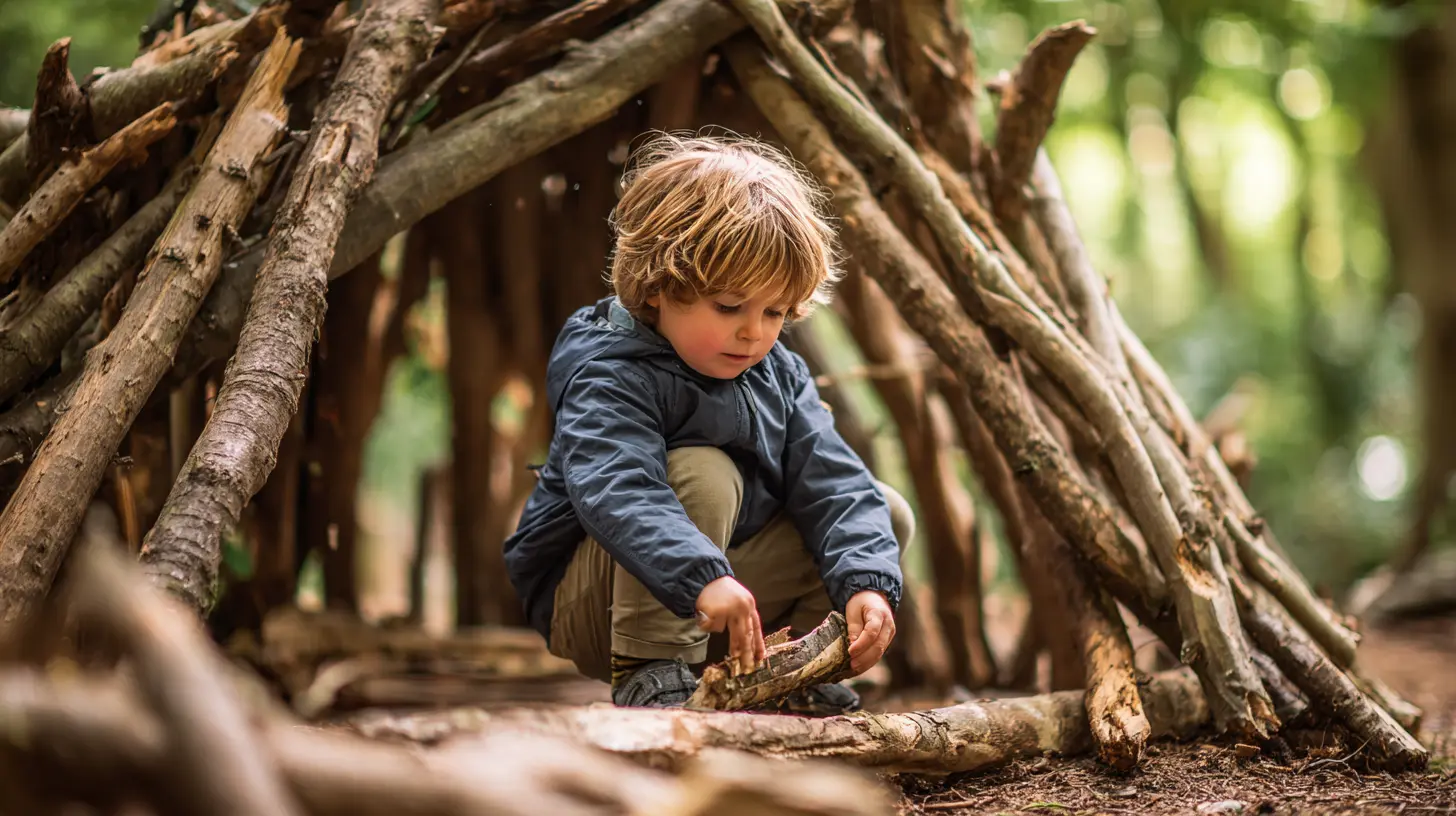
Outdoor play is often dismissed as purely physical, but it is deeply cognitive. When a child figures out how to get a ball out of a bush, builds a fort from branches, or decides which path to take down a slope, they are solving problems. These problems are immediate, concrete, and meaningful. They require planning, trial and error, and adjustment. This is the essence of executive function, the set of mental skills that includes working memory, flexible thinking, and self-control.Indoor toys often have a single intended use. A puzzle has one correct solution. A building block set has a design on the box. Outdoor materials are open-ended. A stick can be a wand, a fishing rod, a digging tool, or a bridge. This open-endedness forces the brain to generate possibilities. It encourages divergent thinking, which is the ability to come up with multiple solutions to a single problem. Divergent thinking is a strong predictor of creativity and is increasingly valued in education.
There is also the matter of attention. Some parents worry that outdoor play is chaotic and unfocused. In reality, outdoor play often requires sustained attention. A child watching an ant carry food is practicing focused observation. A child trying to balance on a log is practicing concentration. These are not passive activities. They are active mental tasks that strengthen the attention systems of the brain.
Social and Emotional Learning Outside
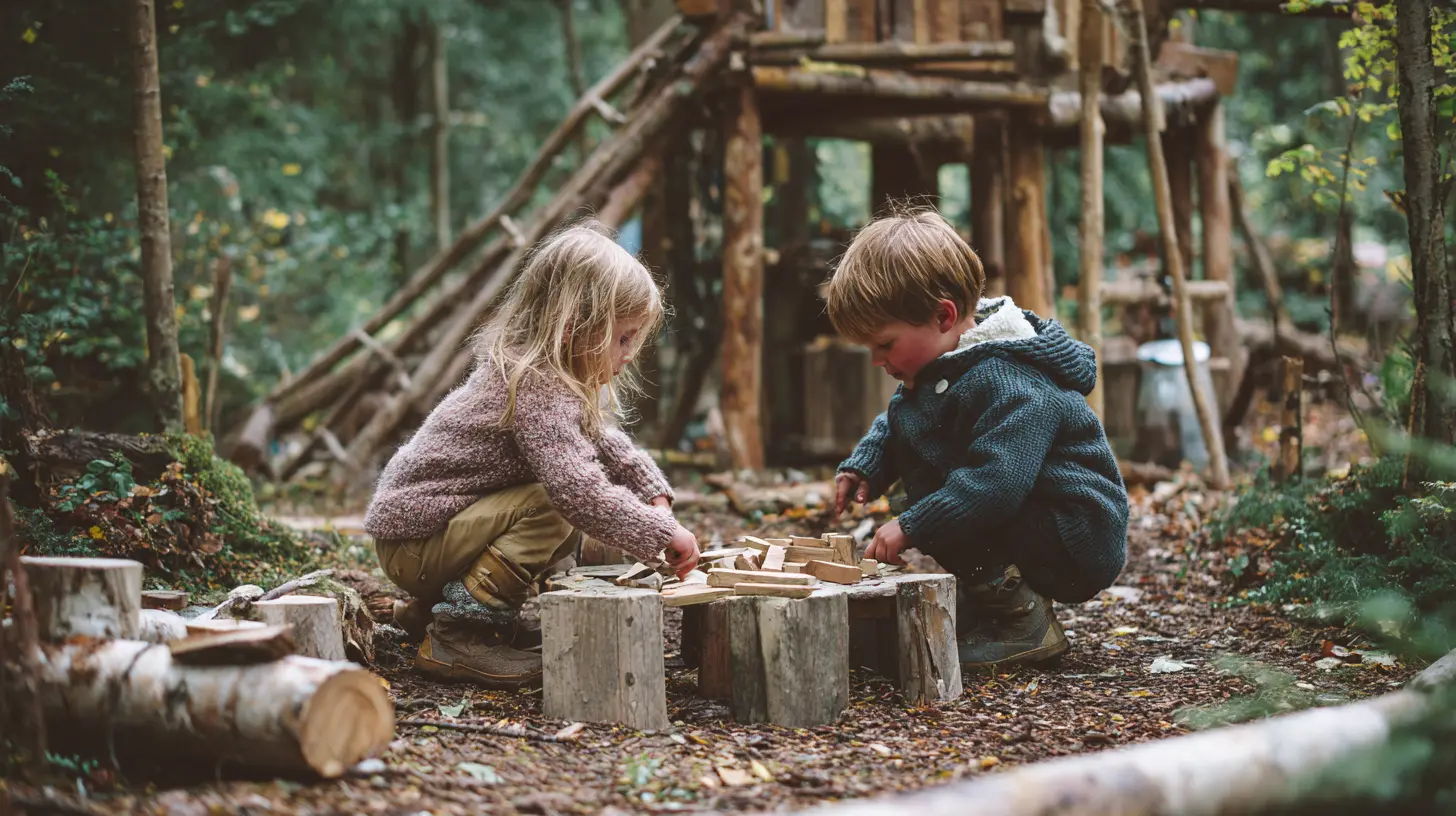
The outdoor environment is a different social setting than the classroom. There are fewer chairs, fewer tables, and more space. This changes how children interact. In a classroom, children often work side by side with adults nearby. Outside, they are more likely to form their own groups, negotiate their own rules, and resolve their own conflicts. This is where real social learning happens.Consider a group of children trying to decide what to play. One wants to play tag. Another wants to dig in the sandbox. A third wants to climb the jungle gym. They must communicate, compromise, and sometimes fail to reach an agreement. These moments are messy, but they are also essential. They teach children how to read social cues, express their own needs, and handle disappointment.
Outdoor play also supports emotional regulation. There is something about being outside that resets the nervous system. The combination of fresh air, natural light, and physical movement helps children release pent-up energy and stress. A child who is having a tantrum indoors often calms down once they are taken outside. This is not coincidence. The outdoors provides a sensory environment that is less overstimulating than a cluttered indoor room, while also offering more space to move and release tension.
The misconception is that outdoor play is only for happy, energetic moments. In fact, it is equally valuable for difficult moments. A child who is angry or sad can use outdoor time to work through those feelings. Running, digging, or simply sitting under a tree can be a form of emotional processing. Parents who treat outdoor time as a reward for good behavior are missing the point. Outdoor time is a need, not a privilege.
Risk, Resilience, and the Art of Falling
One of the most important lessons of outdoor play is learning to handle risk. This is a sensitive topic, and many adults react with fear. But the goal of childhood is not to avoid all risk. It is to learn how to assess and manage it. Outdoor play offers the perfect setting for this because the risks are visible and the consequences are usually minor.A child climbing a low tree branch is taking a risk. They might slip. They might get a scratch. They might also learn that they can recover from a fall. This builds resilience. Children who never experience minor setbacks develop a fragile sense of confidence. They believe they cannot handle difficulty because they have never had to. Outdoor play provides regular, manageable doses of challenge that build a child's belief in their own abilities.
The key is supervision, not overprotection. An adult should be close enough to intervene if truly dangerous, but far enough away to let the child try. This is a difficult balance for many parents. The instinct to say "be careful" is strong. But constant warnings teach children to be afraid. A better approach is to ask questions: "Do you think that branch will hold you?" or "What will you do if you slip?" This shifts the thinking from fear to planning.
There is a real difference between risk and hazard. A hazard is something that can cause serious harm, like a broken fence or a busy road. These should be removed or avoided. A risk is something where the child can make a judgment, like how high to climb or how fast to run. These should be allowed. Many well-meaning adults treat all risks as hazards. This robs children of the chance to develop judgment.
The Role of Nature in Mental Health
The psychological benefits of nature are well documented in adults, and the same applies to children. Time outdoors is associated with lower levels of stress, better mood, and reduced symptoms of anxiety and depression. For young learners, this is especially important because their emotional systems are still developing. A child who spends regular time outdoors is building a foundation for lifelong mental health.There is also the question of attention restoration. Indoor environments, especially those with screens, require constant directed attention. The brain has to work to filter out distractions and stay on task. Natural environments, on the other hand, allow for what is called soft fascination. The mind can wander. The senses are engaged, but in a gentle way. This restores the brain's ability to focus. A child who comes inside after outdoor play is often more ready to sit and concentrate on a task than a child who has been indoors all morning.
Parents sometimes worry that outdoor play will make their child too wild to settle down. The opposite is usually true. Physical activity helps regulate arousal levels. A child who has run and climbed is often calmer afterward than a child who has been sitting still. The sitting child has not released their energy. They are holding it in, which can lead to fidgeting and distraction.
Practical Strategies for Parents and Educators
Making outdoor play a regular part of a young child's life does not require a large yard or expensive equipment. It requires a shift in mindset. The first step is to prioritize time outside every day, regardless of weather. Rain, snow, and wind are not obstacles. They are new sensory experiences. A child who only plays outside in perfect weather will miss out on half the year.Dress appropriately and the weather becomes irrelevant. Waterproof boots, layers, and a change of clothes make it possible to play in almost any condition. This is a practical habit that many families struggle with at first, but it becomes easier with time. The key is to keep extra clothes in the car and the entryway. When outdoor play is treated as a normal part of the day, not a special event, it becomes routine.
For educators, the challenge is often the school schedule. Recess is being shortened in many schools to make room for more academic time. This is a false trade-off. Children who have regular outdoor time are more attentive and perform better on cognitive tasks. A 15-minute recess is not wasted time. It is an investment in the next 45 minutes of learning. Schools that cut recess to improve test scores often see the opposite effect.
Another practical strategy is to create an outdoor space that invites play. This does not mean buying a plastic playset. It means providing loose parts: buckets, shovels, balls, chalk, and natural materials like sticks and stones. The most engaging outdoor environments are often the simplest. A patch of dirt with a few tools can keep a child occupied for an hour. A blank lawn with no materials will be boring after ten minutes.
Common Mistakes and Misconceptions
One common mistake is treating outdoor play as a reward. When a child hears "if you finish your homework, you can go outside," they learn that outdoor time is optional and less important than indoor work. Better to frame it as a non-negotiable part of the day, like eating or sleeping. This sends a clear message that outdoor time is essential, not a luxury.Another misconception is that outdoor play is only for gross motor development. As discussed earlier, it is also for fine motor skills, cognitive development, and social learning. A child who picks up small pebbles is practicing the pincer grip needed for writing. A child who builds a dam in a puddle is learning about physics and cause and effect. Outdoor play is not a break from learning. It is a different kind of learning.
A third mistake is over-scheduling outdoor time. Some parents sign their children up for multiple organized sports and outdoor classes. While these have value, they are not the same as free play. In an organized class, the adult sets the agenda. In free play, the child sets the agenda. Both are needed, but free play is the one that builds independence and creativity. A child who only plays outside in structured settings is missing out on the most important part.
There is also the misconception that outdoor play is unsafe because of strangers or traffic. These fears are understandable, but they should be managed with practical measures, not by keeping children indoors. A supervised backyard, a fenced park, or a quiet cul-de-sac can provide safe outdoor time. The benefits of outdoor play far outweigh the small risks, especially when compared to the well-documented risks of a sedentary indoor lifestyle.
Balancing Outdoor Play with Indoor Learning
It would be wrong to suggest that outdoor play should replace indoor learning. Both have their place. Indoor activities like reading, puzzles, and art are essential for developing certain skills. The goal is balance. A young child needs a mix of quiet indoor time and active outdoor time, of structured learning and free exploration.The ideal daily rhythm for a young child might include a morning outdoor session, a midday indoor learning block, and an afternoon outdoor session. This matches natural energy levels. Children are often most active in the morning and late afternoon. Using those times for outdoor play, and reserving midday for calmer indoor activities, works with the child's biology rather than against it.
There is also value in bringing outdoor elements indoors. A nature table with leaves, rocks, and shells can extend outdoor learning. A windowsill garden can teach responsibility and science. These small additions keep the connection to nature alive even when the weather is harsh or time is short. They are not substitutes for outdoor play, but they are useful complements.
The Long-Term Impact of Outdoor Play
The habits formed in early childhood tend to persist. A child who grows up playing outside is more likely to become an adult who exercises, spends time in nature, and values physical activity. The opposite is also true. A child who grows up indoors, tethered to screens, is more likely to become an adult with a sedentary lifestyle and all the health problems that come with it.Outdoor play also builds a sense of wonder and curiosity that fuels lifelong learning. A child who has spent hours watching insects, collecting leaves, and climbing trees develops a relationship with the natural world that cannot be taught from a book. This relationship is a source of joy, comfort, and inspiration throughout life.
The evidence is clear. Outdoor play is not a luxury. It is a biological and developmental necessity for young learners. It builds strong bodies, sharp minds, resilient emotions, and social skills. It provides sensory experiences that no indoor environment can match. It teaches risk management and problem solving. It restores attention and calms the nervous system. It is, in short, one of the most important things a child can do.
Parents and educators who prioritize outdoor play are not neglecting academics. They are laying the groundwork for all future learning. A child who can balance on a log, negotiate with peers, and recover from a scraped knee is a child who is ready to tackle reading, writing, and arithmetic. The outdoors is not a break from education. It is where education begins.
all images in this post were generated using AI tools
Category:
Early Childhood EducationAuthor:

Austin Wilcox
Discussion
rate this article
1 comments
Barrett Powell
Outdoor play fosters creativity and physical health in young learners, helping them develop crucial social skills and a deeper connection with nature.
August 9, 2026 at 3:01 AM
Austin Wilcox
Absolutely! Outdoor play is vital for kids, nurturing their creativity and health while enhancing social skills and nature appreciation.