Knowing When to Seek Professional Help for Your Child's Anxiety
18 March 2026
Let’s be real for a second—raising kids is no walk in the park. One minute they’re giggling at cartoons, the next they’re clinging to you like you’re about to disappear forever. If your child seems to be worrying a lot, chances are you've asked yourself, “Is this normal... or should I be worried too?”
Anxiety in children isn’t just occasional nervousness before a test or a shy moment at a birthday party. It can creep in quietly and linger, affecting their daily lives and your peace of mind. Knowing when to seek professional help for your child’s anxiety can make a world of difference—not just for them, but for the whole family.
So grab a cup of coffee and let’s talk about what anxiety looks like in kids, when to be concerned, and how to take action if you think your child needs extra support.
What Does Anxiety Look Like in Kids, Anyway?
Anxiety in children doesn’t always wear a flashing neon sign. More often, it tiptoes in, disguised as clinginess, stomachaches, or even temper tantrums. So how can you tell the difference between typical growing pains and a true anxiety issue?Common Signs of Anxiety in Children
- Avoidance: They don’t want to go to school, birthday parties, or anywhere new.- Physical Complaints: Headaches, tummy aches, or "just not feeling right"—especially when there's no medical cause.
- Sleep Troubles: Difficulty falling asleep, nightmares, or waking up too early.
- Excessive Worry: Obsessing over things that haven’t happened yet.
- Clinginess: You can’t leave a room without them panicking.
- Tantrums or Meltdowns: Especially when routines are disrupted or expectations shift.
- Perfectionism: Unrealistically high expectations for themselves and major distress if they fall short.
If one or two of these happen occasionally—that’s pretty normal. But if they start stacking up and happening on repeat, that’s when your parent radar should perk up.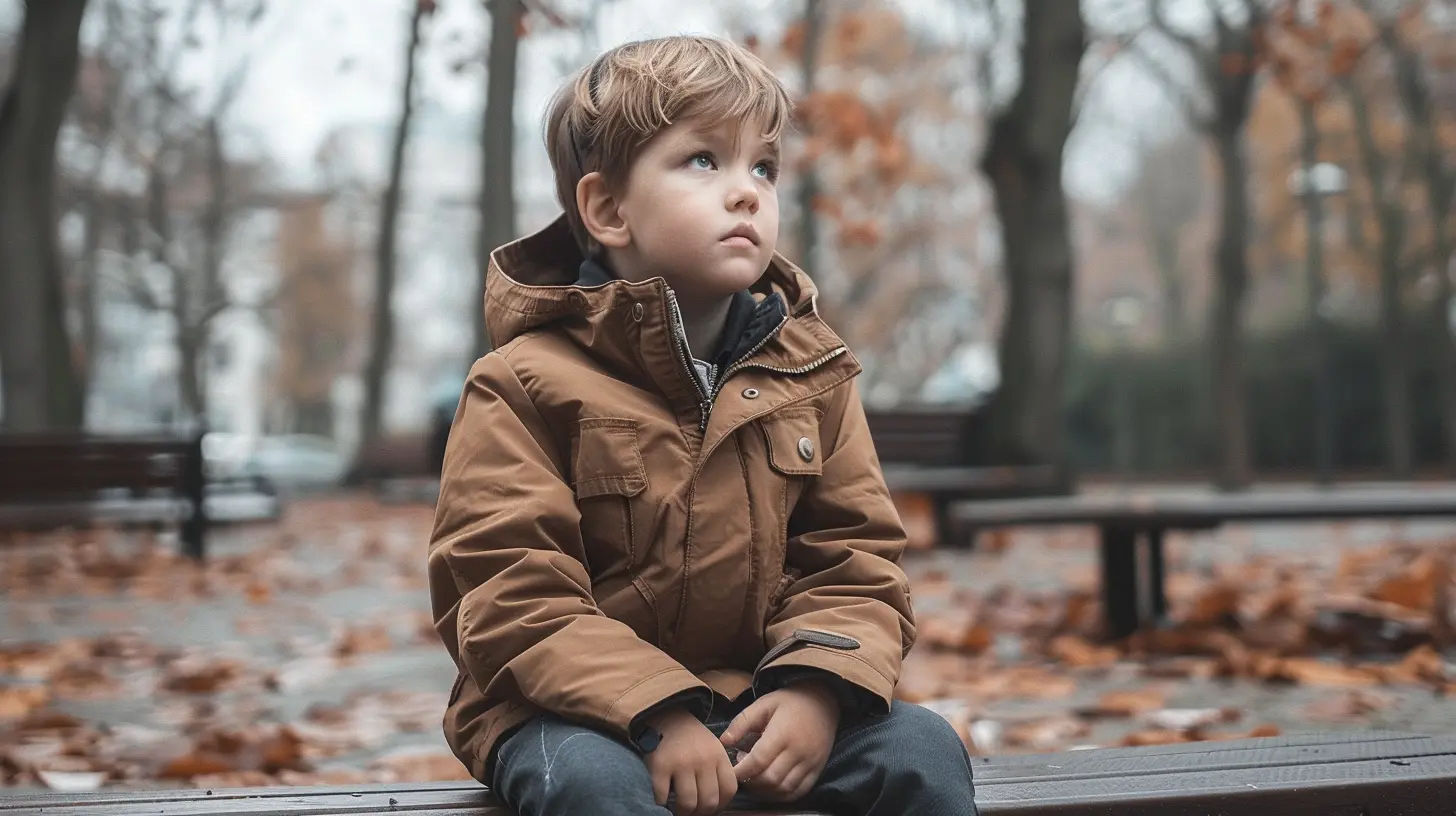
Is It Just a Phase, or Is It Something More?
Let’s be honest, kids go through all kinds of phases. Remember when your toddler would only wear superhero capes to bed? Well, anxiety can have phases too.When Is Anxiety Considered “Normal”?
Some anxiety is actually healthy. It's our natural response to stress. It alerts kids to stay safe (like not touching that hot stove) or prepare for something important (like a school play).But here’s the catch—it’s all about how much and how long.
Red Flags That Point to a Bigger Issue:
- Duration: Does the anxiety last for weeks or months with little improvement?- Intensity: Is it extreme or overwhelming, even in low-stress situations?
- Interference: Is it getting in the way of school, friendships, or family life?
- Regression: Are they slipping back into earlier behaviors (wetting the bed, baby talk)?
- Isolation: Are they pulling away from things or people they used to enjoy?
If it’s causing daily distress or changing who your child is at their core—it’s time to take that next step.
Trusting Your Gut as a Parent
You know your child better than anyone else. If something feels “off,” don’t brush it aside. Parents often know something is wrong before there’s a name for it.It’s kind of like noticing your car sounds weird. You don’t need to be a mechanic to know it needs a check-up—you just know it’s not running the same.
So if your mom or dad senses are tingling, don’t ignore them. You don’t need to be 100% sure to seek help. Sometimes, the act of reaching out is the first step toward relief.
When to Consider Professional Help
Okay, so you've noticed the signs and your gut says this is more than just a rough patch. Now what?The Right Time to Reach Out
Here are a few clear-cut situations where seeking professional help is the smart move:- Your child’s anxiety is constant and doesn’t improve.
- It’s affecting school performance or social relationships.
- They talk about harming themselves or express hopelessness.
- You’re losing sleep over it, and they are too.
- Nothing you’ve tried at home seems to help—deep breathing, hugs, positive talk—it’s just not enough.
If any of these ring a bell, therapy or counseling can be a total game-changer.
Who Can Help? (And What Do They Actually Do?)
Good news—you’re not in this alone. There are compassionate, trained professionals who specialize in helping kids cope with anxiety. Let’s break it down.Types of Professionals to Consider:
- Pediatrician: This is your first stop. They’ll rule out physical issues and refer you to a mental health specialist if needed.- Child Psychologist: Offers therapy sessions and assessments to pinpoint anxiety issues.
- Child Psychiatrist: A medical doctor who can prescribe medication if needed.
- School Counselor: Helpful during the school day and a good ally for academic concerns.
- Licensed Therapist or Counselor: Provides talk therapy, play therapy, or cognitive-behavioral therapy (CBT).
Each professional has their own approach, but the core goal is the same—helping your child feel safe, calm, and confident in their own skin.
What to Expect in Therapy for Child Anxiety
If the thought of therapy feels intimidating—don’t worry, you’re not committing to a lifetime of sessions. Often, a short-term plan with a caring expert can make a big difference.Common Therapy Approaches:
- Cognitive Behavioral Therapy (CBT): This helps your child learn to spot and challenge their anxious thoughts and replace them with realistic ones.- Play Therapy: Works especially well for younger kids who may not have the words to describe what they’re feeling.
- Exposure Therapy: Gradually helps your child face fears in a safe, controlled environment.
Therapists might give your child “homework,” like practicing new skills or keeping a worry journal. It’s like training wheels for the brain—each small success builds resilience.
What You Can Do as a Parent Right Now
You don’t need a therapy degree to start helping your child with anxiety. Little changes at home can go a long way.Practical Steps to Support Your Anxious Child:
- Validate Their Feelings: Say things like, “I can see this is really hard for you,” instead of “You’ll be fine.”- Model Calm Behavior: Kids mirror us—if we’re anxious, they’ll pick up on it.
- Create Predictable Routines: Structure helps anxious kids feel safe.
- Encourage, Don’t Push: Support them in taking brave steps, but don’t force it.
- Teach Coping Skills: Deep breaths, mindfulness apps, or just taking a calming break can work wonders.
Even if you decide to seek professional help, these tools will still be a lifeline at home.
Don’t Wait Until It’s a Crisis
Here’s the thing about anxiety—it rarely goes away on its own. And while some kids might naturally grow out of it, others grow into it if it’s left unchecked.Think of it like a tiny weed. It might not seem like a big deal at first, but the longer you ignore it, the deeper those roots grow. Getting support early can prevent your child from carrying that anxiety into adolescence and adulthood.
Final Thoughts: You’ve Got This
If your child is struggling with anxiety, first take a deep breath. Then remind yourself—you’re already doing the hard part: noticing, caring, and asking questions.Seeking help isn’t a sign of failure; it’s a strong, loving move. Your child deserves to feel confident, happy, and at ease, and there’s absolutely no shame in getting a little backup to help them get there.
So if you’re still unsure, here’s a simple piece of advice: when in doubt, reach out. Your child’s emotional well-being is worth it.
all images in this post were generated using AI tools
Category:
Dealing With AnxietyAuthor:

Austin Wilcox
Discussion
rate this article
2 comments
Eliza Marks
Recognizing when to seek help is a brave step. Supporting your child's mental health fosters resilience and a brighter future!
March 27, 2026 at 6:00 PM
Austin Wilcox
Thank you! Acknowledging the need for help is crucial for both parents and children, and it's essential for building resilience.
Ember McBride
This article effectively highlights the critical signs of anxiety in children and emphasizes the importance of timely intervention. Recognizing when to seek professional help can significantly impact a child's well-being, fostering resilience and emotional health in the long term.
March 26, 2026 at 4:02 PM
Austin Wilcox
Thank you for your insightful comment! I'm glad the article resonated with you and highlighted the importance of timely intervention for children's anxiety.