Encouraging Sibling Cooperation Through Joint Chore Assignments
1 June 2026
Parenting is an adventure, right? You’ve got little personalities blooming in the same household, all with their quirks, moods, and opinions. And if you’re lucky, they get along most of the time. But when they don’t — oh boy — the whole house knows about it. One area where drama often erupts? Chores.
Now imagine turning those chaotic moments into opportunities for bonding and teamwork. Yep, it’s possible. One of the best hacks for family peacekeeping and sibling growth? Encouraging sibling cooperation through joint chore assignments.
Let’s break it down and understand how you can leverage everyday tasks to foster harmony, responsibility, and even friendship between your kids.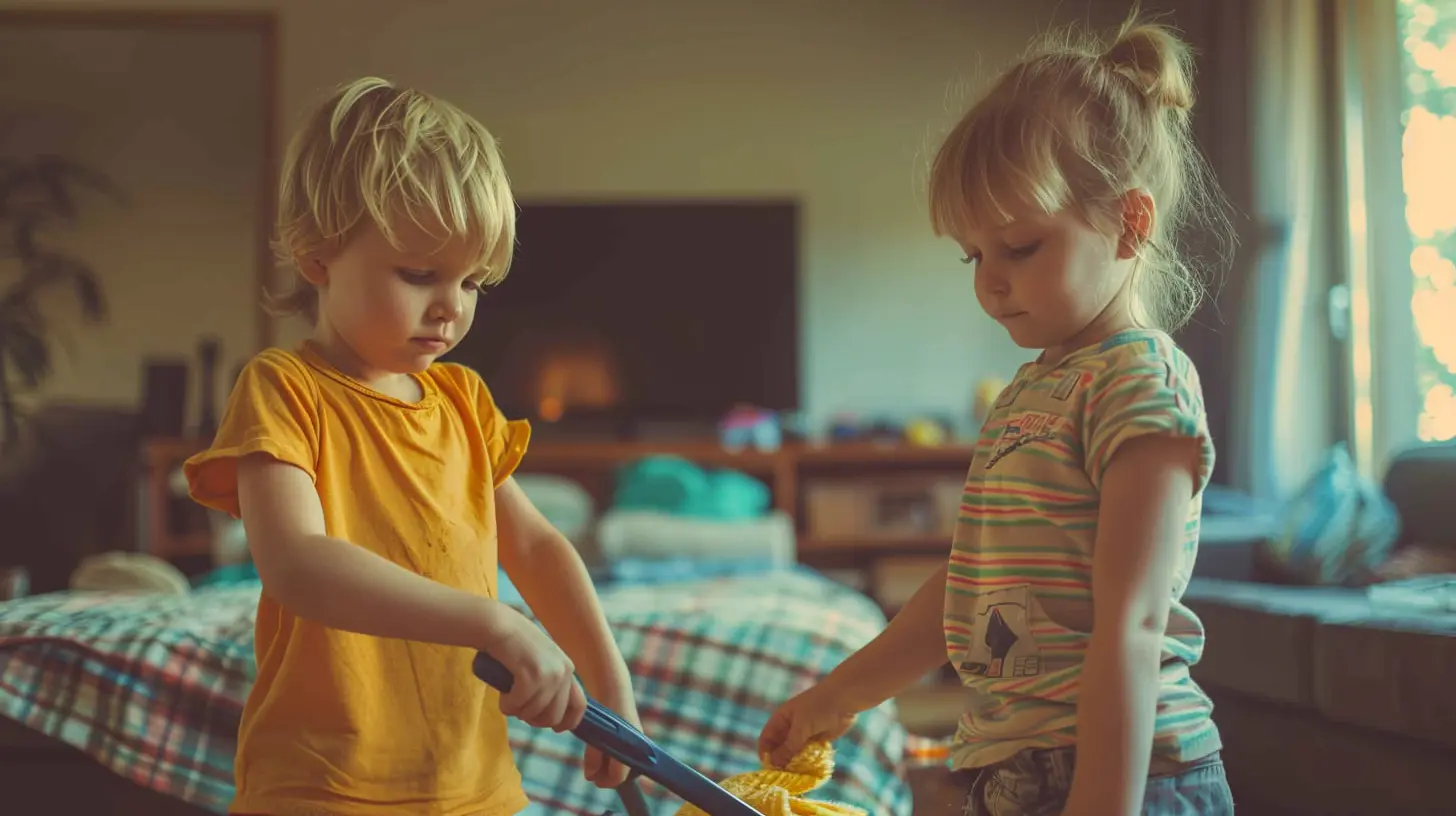
Why Sibling Cooperation Matters More Than Just Getting Along
We often think getting siblings to stop arguing is the goal. But cooperation? That’s a whole other level. It’s about learning to work together, solve problems as a team, and support each other — vital life skills that go far beyond home.Think of it this way: siblings are like each other’s first coworkers in life. If they can figure out how to divvy up chores, resolve disagreements, and finish a job together, they’re halfway to becoming competent collaborators in school, careers, and personal relationships.
And guess what? Chores become more than chores. They turn into character-building missions.
What Are Joint Chores, Anyway?
Joint chore assignments are exactly what they sound like — tasks assigned to two or more siblings to complete together. Not solo jobs done separately on opposite sides of the house. Nope. These are tasks that require communication, planning, and shared effort.Think washing the car, cleaning the playroom, making dinner together, folding laundry, or raking the yard.
It's not just about dividing the labor. It's about sharing responsibility and figuring out who does what — together.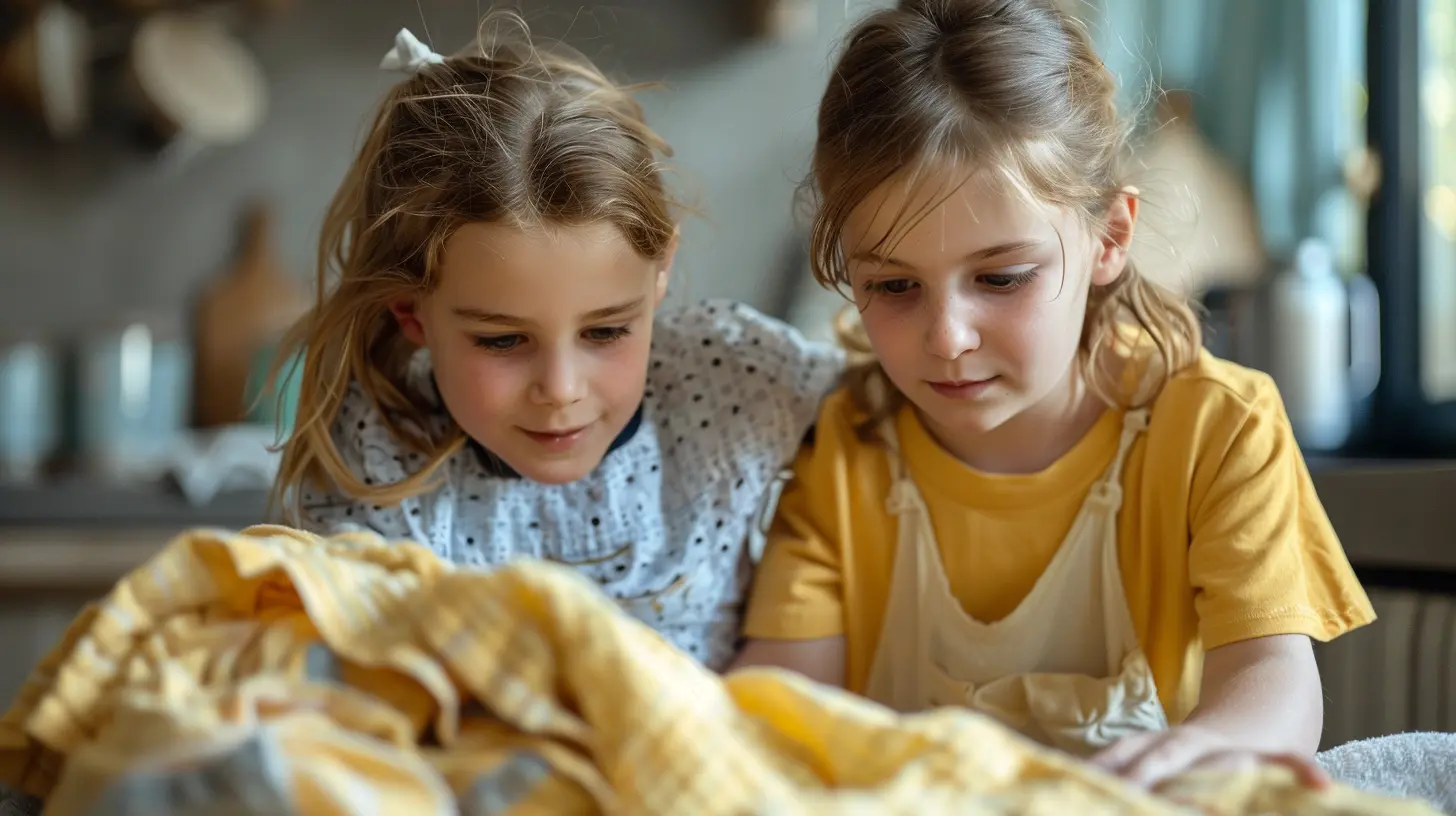
The Psychological Magic Behind It All
Ever notice how kids behave differently when they know someone’s counting on them? That social accountability kicks in. Add to that the built-in sibling dynamics — sometimes competitive, sometimes protective — and you've got a recipe for deeper connection when guided right.Joint chores tap into a child’s social development. They encourage empathy ("I don’t want my brother to do all the work"), negotiation ("You vacuum, I’ll dust"), and problem-solving ("We have to untangle this hose first"). These aren’t just chores. They’re developmental goldmines.
Plus, completing a task together boosts confidence and strengthens the sibling bond. A little conflict along the way? That’s practice in compromise and forgiveness.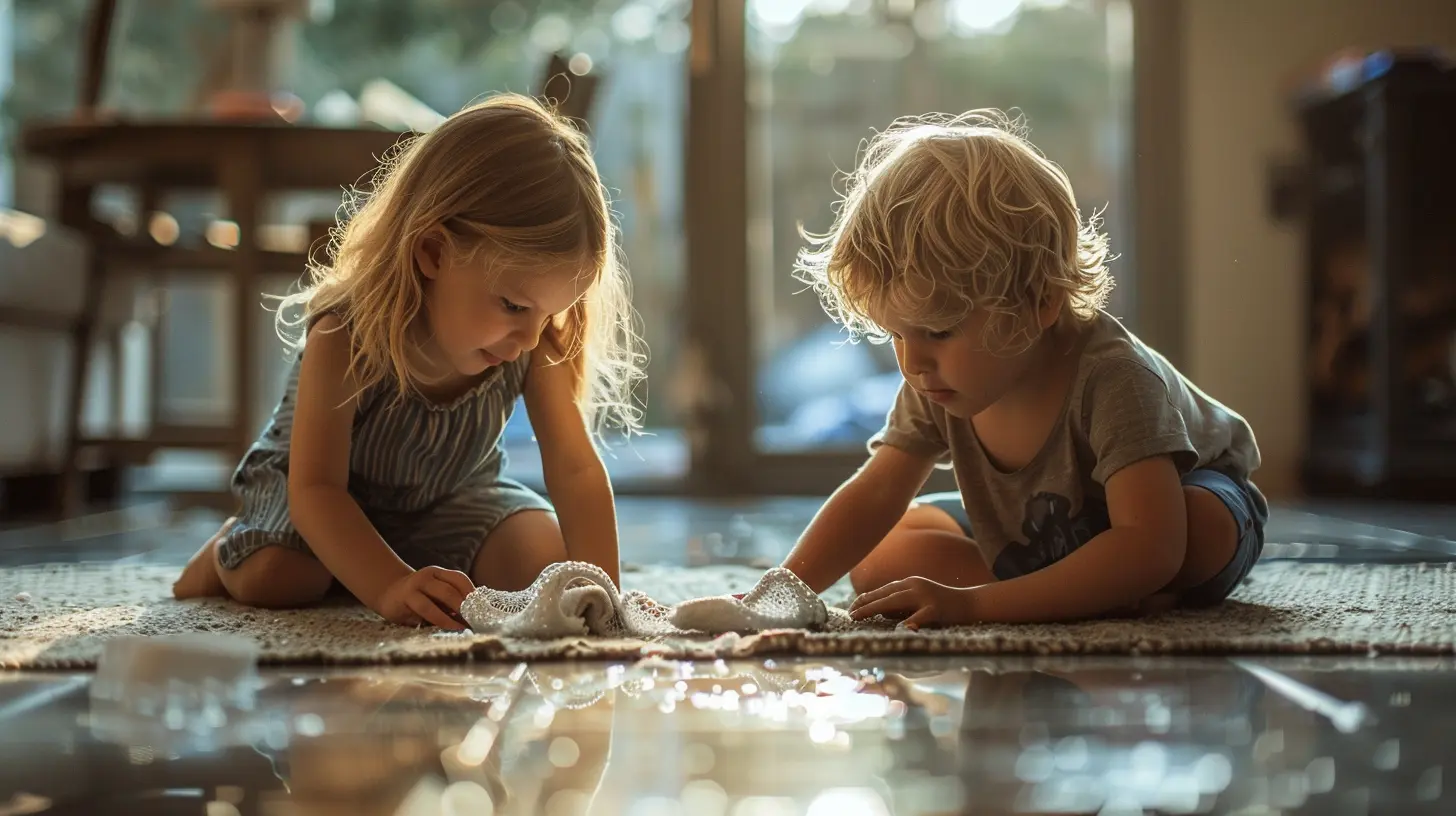
The Real-Life Benefits of Joint Chore Assignments
Let’s talk about the practical wins that come out of this:1. Fewer Fights Over Fairness
Ever had your child shout, “But I did it last time!”? Assigning shared chores reduces the tit-for-tat arguments. When siblings are both responsible, there’s less room for finger-pointing and more focus on teamwork.2. Improved Communication
Whether it’s deciding who sets the table or figuring out how to fold a fitted sheet (seriously, is there a “right” way?), siblings learn to express their ideas, negotiate tasks, and listen to each other.3. Stronger Bonding Moments
Shared struggles lead to shared laughs. Even if it’s over who spilled the water bucket while mopping or who folded the towel into a triangle instead of a square — it’s memory-building.4. More Efficient Task Completion
Two heads (and four hands) are better than one. With a bit of structure, joint chores can actually get done faster and—dare we say—better.How to Get Started With Joint Chores (Without Starting World War III)
Let’s be real — throwing your kids into a chore together without guidance could backfire. Think screaming matches over mop duties or a mysterious disappearance when it's time to clean.So, here’s how to ease them in:
1. Choose the Right Tasks
Not all chores are ideal for teamwork. Start with ones that naturally lend themselves to pairs or groups. Great options include:- Cleaning out the car
- Organizing a shared bedroom or play area
- Setting and clearing the table
- Gardening or outdoor cleanup
- Cooking simple meals (think sandwiches, scrambled eggs, or smoothies)
Avoid tasks that are too personal (like cleaning individual rooms) or too complex at first.
2. Match Siblings Strategically
Consider age, temperament, and skill level. A bossy older sibling paired with a sensitive younger one? Might need some supervision at first. But with the right guidance, they might just find their rhythm.Don’t pair the same two every time either—rotate them. Let different personalities learn to mesh and grow more understanding of each other.
3. Set Clear Expectations
Lay out the goal: what needs to be done, by when, and how. Be clear that the chore must be done as a team, not one doing everything while the other disappears “to check something.”Bonus tip: write it down or use a chore chart with team assignments. Visuals help keep everyone on track.
4. Supervise Lightly (But Stay Within Earshot)
In the beginning, hover nearby. Not like a helicopter—more like training wheels. Step in only if things start to derail. But let them try and resolve issues on their own. That’s where the magic happens.5. Celebrate Wins (Even Small Ones)
Did they finish without arguing? Score! Did they figure out a new system for sorting the recycling? Even better. Praise the effort, the communication, the teamwork—not just the outcome.A little, “I loved how you two teamed up to clean the garage. That high-five at the end? Total parenting win.”
Dealing With Sibling Resistance
Let’s not sugarcoat it — sometimes kids just don’t want to work together. Annoyance, jealousy, or just plain “I-don’t-like-her-right-now” vibes can creep in.So what do you do?
A. Name the Dynamic
Sometimes just pointing it out helps. “I know you're frustrated working with your sister today. It’s okay to feel that way, but let’s talk about how to move through it together.”Naming emotions helps kids process them and feel seen.
B. Add a Bit of Gamification
Turn it into a timed challenge or make it fun. Maybe they earn points together toward a shared reward: extra screen time, a family movie night pick, or a small treat.Friendly competition with a mutual goal? That’s gold.
C. Include Them in the Planning
Ask for their input on who gets assigned what. Give them some voice and choice. When kids feel they have a say, they’re way more likely to participate without resistance.Encouraging Habit and Consistency
One successful team-up doesn’t make change stick. You need consistency. Here’s how to keep the momentum going:- Make joint chores a regular thing, not a one-off punishment or random event.
- Rotate chores and pairs, so nobody gets burnt out or stuck in a power dynamic.
- Stay flexible, because life happens. Things don’t always go as planned, and that’s okay.
- Reinforce the idea that teamwork is part of being in a family. Everyone pitches in, and everyone counts.
Life Skills They Won’t Learn From a Screen
Think about it: we send our kids to schools loaded with tech, screen-time, and solo assignments. But where do they learn how to work alongside someone? At home. Together. Doing something as simple (yet profound) as chores.It’s not about folded laundry or mopped floors. It’s about learning to coexist, cooperate, and communicate. These joint chore moments are mini-lessons in empathy, accountability, and togetherness.
Honestly, there’s no app for that.
A Word to the Wise Parents
Your kids are watching how you handle shared responsibilities, too. If they see you and your partner collaborate around the house without drama, that’s the model they’ll naturally follow.They won't just listen to your words. They'll follow your lead.
So the next time you're folding laundry with your spouse or scrubbing the bathroom together, let your kids see that. Show them that cooperation isn't just for kids. It's a life skill worth mastering at any age.
Final Thoughts
Encouraging sibling cooperation through joint chore assignments isn’t just about getting things done. It’s about nurturing a connected, functional family environment where kids build skills that will last a lifetime.You’re not just managing a household—you’re raising future adults. And in this sometimes chaotic parenting journey, using chores to plant seeds of teamwork and compassion is a stroke of brilliance.
So go ahead—assign that team chore. Watch them struggle, laugh, figure it out, and maybe even high-five at the end. That mess in the kitchen? Worth every crumb of connection.
all images in this post were generated using AI tools
Category:
Chores For KidsAuthor:

Austin Wilcox
Discussion
rate this article
2 comments
Gwen McCord
Joint chores: turning sibling rivalry into teamwork... sort of!
August 29, 2026 at 3:54 PM
Austin Wilcox
Absolutely! When siblings tackle chores together, they learn to collaborate and build stronger bonds, even if it takes some time to get there.
Maren McTavish
This article offers such practical strategies for fostering sibling cooperation! It's amazing how shared tasks can build teamwork and strengthen bonds. Encouraging kids to work together not only teaches responsibility but also creates lasting memories. Keep up the great work in promoting harmony at home!
June 15, 2026 at 4:39 AM
Austin Wilcox
Thank you for your kind words! I'm glad you found the strategies helpful. Fostering teamwork among siblings can truly make a positive impact at home.