How to Create an Anxiety Toolkit for Your Child
10 June 2026
Let’s face it—childhood isn’t always the carefree time we wish it could be. Kids today face all sorts of stressors, from school pressure and social struggles to family changes and even global issues they don’t fully understand. It’s no wonder anxiety is affecting more and more children. But here’s the good news: you can help. One of the most powerful tools you can give your child is, well… a toolkit!
Not a literal one filled with wrenches and hammers (although wouldn't it be cute?), but an “Anxiety Toolkit” filled with practical, calming strategies and emotional resources to help them deal with anxiety head-on.
So, how do you build one? Let’s dig into it together.
What Is an Anxiety Toolkit?
An anxiety toolkit is exactly what it sounds like—a personalized collection of tools and strategies your child can use when they start to feel anxious, overwhelmed, or out of sorts. Think of it like mental armor they can carry around, ready for battle when those anxious moments start to creep in.The goal? Give your child the power to self-soothe, feel safe, and stay grounded—without always needing you right there to walk them through it.
You don’t need fancy gadgets to make this work. In fact, most of what you'll need you already have at home or can DIY. It's not about how it looks—it's all about how it works.
Why Your Child Needs an Anxiety Toolkit
We all get anxious sometimes. But for kids, those feelings can be scary and overwhelming. They don’t yet have the life experience, vocabulary, or mental tools to understand or articulate what’s going on inside.Think about it. When adults feel anxious, we might talk it out with a friend, listen to music, or go for a walk to clear our heads. Kids? They might cry, throw a tantrum, freeze—and not even know why they’re reacting that way.
That’s where the toolkit comes in. It gives them options—a menu of calming actions they can choose from when their nervous system goes on high alert. And more importantly, it builds resilience.
Signs Your Child Might Be Struggling with Anxiety
Before we build the toolkit, let’s talk about what anxiety might look like in kids. It doesn’t always show up as nervous pacing or biting fingernails.Sometimes, anxiety disguises itself.
Look out for:
- Complaints of stomachaches or headaches with no medical cause- Avoiding school or social situations
- Trouble sleeping or nightmares
- Irritability or tantrums
- Excessive worry about everyday things
- Difficulty concentrating
- Perfectionism or fear of making mistakes
If you’re noticing a pattern of these signs, or if your gut's telling you something’s off, it’s time to step in and start creating that toolkit.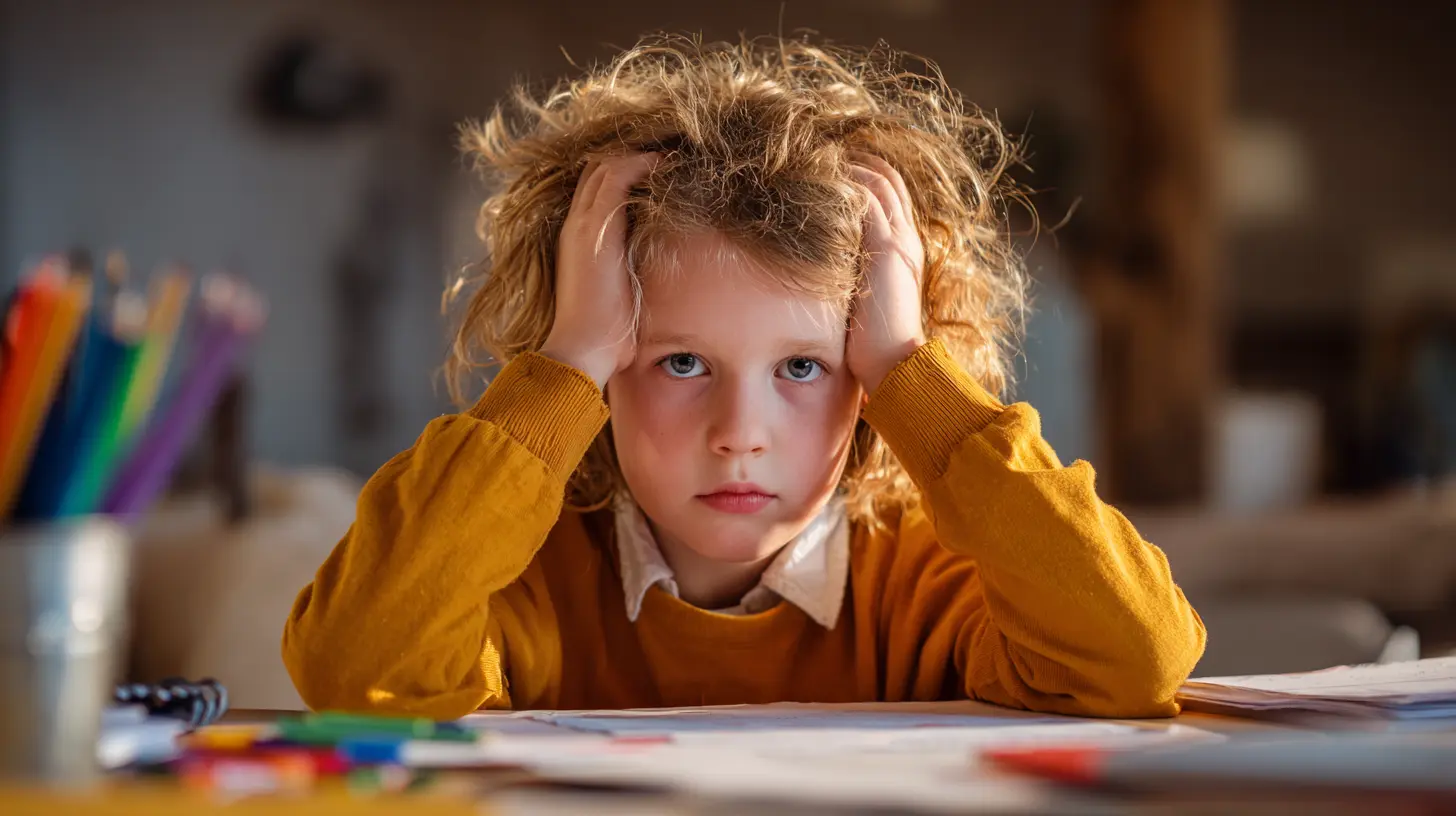
Step 1: Talk Openly About Anxiety
Before you start pulling items together, set the foundation with a conversation. Kids need to know that anxiety isn’t something to be ashamed of or something they need to hide.Try something like:
> “You know how sometimes your tummy hurts or your heart beats really fast when you’re worried? That’s something called anxiety. It happens to everyone sometimes—even grown-ups—and it's totally okay. I want to help you learn some cool ways to feel better when that happens.”
Normalize it. Name it. Once kids understand what anxiety is, they can start to label their feelings instead of letting their feelings control them.
Step 2: Choose a Container for the Toolkit
How fun is this part? Let your child pick out a box, pouch, or even a small backpack to hold their tools. This makes it feel personal—like a secret mission or a superhero kit.You can use:
- A clear pencil case (so they can see everything easily)
- A shoebox they decorate themselves
- A fabric pouch (great for sensory tools)
- A small plastic storage bin
Let them get creative! This adds a touch of fun and ownership to the process.
Step 3: Pack the Toolkit with Calming Tools
Now for the fun part: filling it up! You’ll want a mix of sensory tools, emotional supports, and coping strategies. Here's a breakdown.1. Sensory Items
These help calm the nervous system by engaging the senses. It's like giving your brain a little hug.- Stress balls or squishies – Squeezing something soft can release tension.
- Fidget toys – Spinners, cubes, or textured toys keep little fingers busy and minds focused.
- Essential oil roller – Calming scents like lavender can help with relaxation.
- Soft fabric or plush toy – For comfort, warmth, and familiarity.
- Chewelry or chewy necklaces – For kids who need oral input to ground themselves.
2. Emotional Support Items
These connect your child to feelings of safety, love, and reassurance.- Photo of a loved one – A small photo can bring comfort.
- Affirmation cards – Positive messages like “I am brave” or “This feeling will pass” are powerful.
- A journal and crayons or pens – Let kids draw or write out their feelings.
- A small mirror – To practice deep breaths or say affirmations to themselves.
3. Calming Activities
Include tools that encourage mindfulness or distraction during an anxious moment.- Printable breathing exercises – Try the “5 Finger Breathing” trick or “Box Breathing.”
- A glitter calming jar – Shake it up and watch the glitter settle. It’s soothing and metaphorical!
- Coloring pages or a mini coloring book – Helps bring focus and peace.
- A playlist of soothing songs – You can load these on an old MP3 player or just keep a list handy.
- Puzzle or small toy – Something to redirect their energy.
Step 4: Add Personalized Coping Strategies
Every kid is different, so their toolkit should reflect their unique needs and comforts.Work with your child to answer these prompts:
- What makes you feel calm when you're upset?
- Who do you like to talk to when you’re worried?
- What helps you feel safe?
Use their answers to create a “My Calm Plan” card they can read when anxiety kicks in. For example:
> "When I feel worried, I can:
> - Hold my stuffed animal
> - Count to 10 really slow
> - Do my box breathing
> - Tell Mom or Dad
> - Color in my journal"
Tape this to the inside of their kit so it’s the first thing they see.
Step 5: Practice Using the Toolkit
Just like fire drills, kids need practice using their Anxiety Toolkit before they’re in full-on panic mode.Run anxiety "practice rounds" when your child is calm. Play pretend. Create a scenario where they're nervous—like before a test or at a noisy birthday party—and walk through the steps together.
Try saying:
> “Let’s imagine your tummy hurts before school. What’s the first thing we could do?”
This helps the tips stick and builds confidence. The more they rehearse, the more natural it becomes.
Step 6: Keep It Updated and Accessible
Over time, your child’s needs will change. So peek into that toolkit every now and then and swap out tools that no longer work. Some kids outgrow fidget toys, others develop new calming rituals.And keep it accessible. Maybe it's in their backpack, bedside table, or in the car. Wherever they’re most likely to need it.
Think of it like a first-aid kit for their emotions—you wouldn’t want to go searching for it in a crisis, right?
Extra Tips for Supporting an Anxious Child
Creating a toolkit is just one part of the puzzle. Here are a few more tried-and-true tips to help your child manage anxiety:Model Calm Behavior
Your reactions matter. When you stay calm, you're showing them it's possible—and safe—to do the same.Validate Their Feelings
Don't brush off their fears with “You're fine” or “Don’t be silly.” Instead, try, “It sounds like you're feeling really worried right now. I’m here.”Maintain Routines
Predictability = safety. Stick to routines when possible to give your child a sense of control.Encourage Movement
Physical activity burns off excess stress-hormones and boosts mood. Dance party in the kitchen? Totally therapeutic.Stay Patient
Progress takes time. Some days will be better than others—and that’s okay.Final Thoughts
When it comes to anxiety, kids need more than “you’ve got this.” They need real tools. And with a little time, some creativity, and a lot of heart, you can help your child build a toolkit that empowers them to face their fears, understand their feelings, and take back control.Remember: anxiety doesn't have to be the villain in the story. With the right tools, your child can become the hero.
You've got this—and so do they.
all images in this post were generated using AI tools
Category:
Dealing With AnxietyAuthor:

Austin Wilcox
Discussion
rate this article
1 comments
Noah Maddox
Every child faces their own shadows. An anxiety toolkit can be a beacon in the dark. Explore the hidden strategies that not only soothe but also empower, revealing the brave little souls within.
June 10, 2026 at 2:49 PM
Austin Wilcox
Thank you for highlighting the importance of an anxiety toolkit. It's vital for helping kids navigate their fears and discover their inner strength.