How to Make Cleaning Up After Meals a Family Habit
3 August 2026
Let’s face it—parenting is already tough enough without having to play cleanup crew after every meal. You cook, serve, and then? The kitchen looks like a battlefield. Crumbs everywhere, dishes piled high, sticky handprints that mysteriously show up in places you didn’t even think food could reach. Sound familiar?
Here’s the good news: You don’t have to do it all. In fact, you shouldn't. Teaching your kids (and even your partner!) to pitch in after meals not only lightens your load, but also builds a sense of teamwork and responsibility.
So the real question is: How do you turn post-meal cleanup into a family habit? Not just an occasional “help mom out” moment, but a regular, “this is what we do” kind of routine? Let’s dig in.
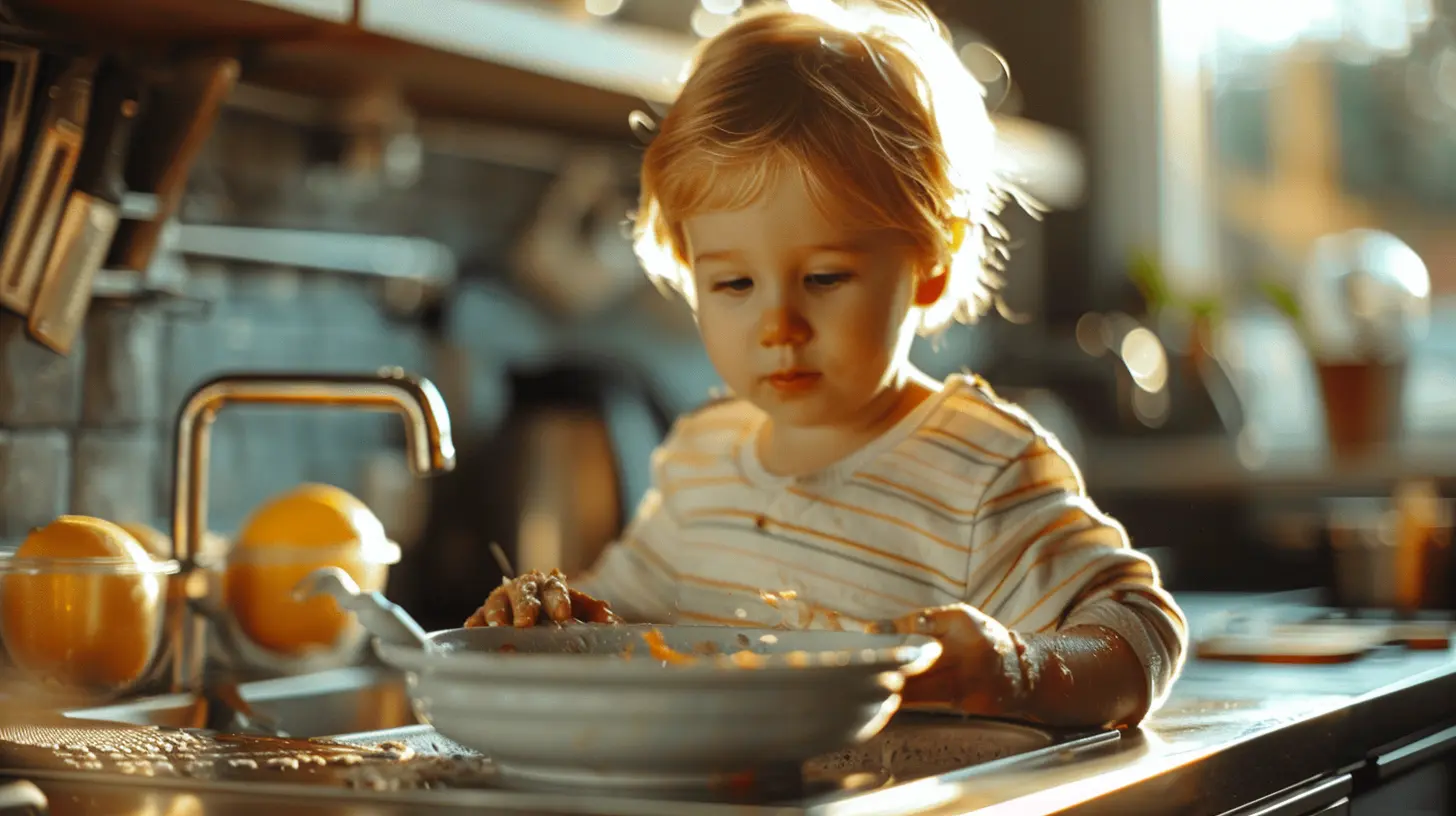
Why It’s Important to Involve the Whole Family
Before we talk about how, let’s chat a little about why.Builds Responsibility Early
Kids learn by doing. The earlier they start helping around the house, the more natural it becomes. Cleaning up teaches them accountability. If they helped create the mess, they learn that they play a part in fixing it.Strengthens Family Bonds
Working together on something as simple as clearing the table enhances connection. It becomes a shared family ritual—not just another chore.Teaches Teamwork and Time Management
Helping out after meals teaches kids that when everyone pitches in, things get done faster. Instead of one person slogging away while everyone else scrolls their phones, the whole family gets to relax sooner.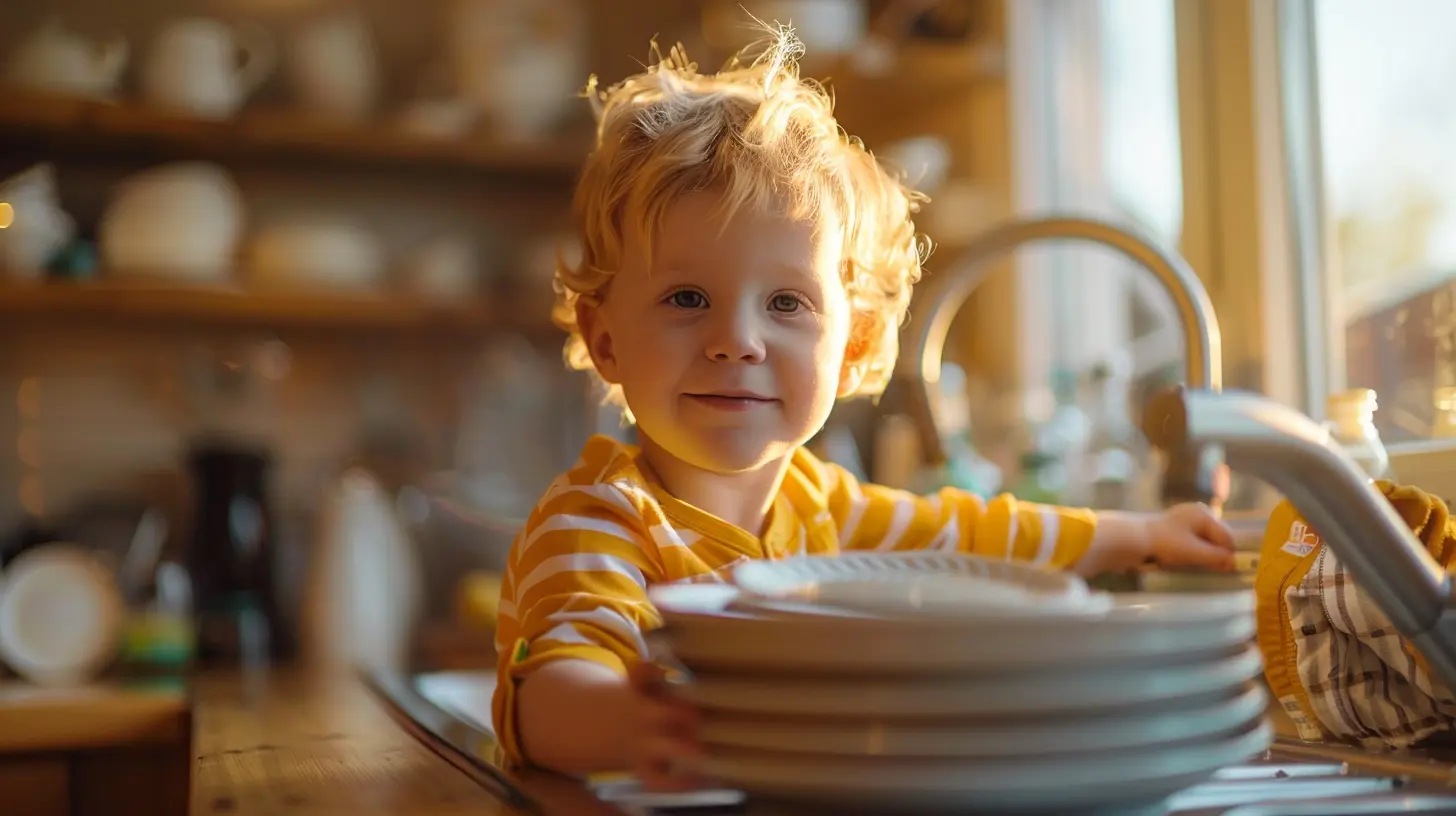
Start with Baby Steps (Literally, if You Have Toddlers)
Let’s be real—you’re not going to get your four-year-old to load the dishwasher just yet. And that’s okay. The key is starting small and setting age-appropriate expectations. Here’s how to bring cleanup into your family’s rhythm without causing meltdowns (theirs… or yours).1. Set Clear Expectations
Kids do better when they know what’s expected. Don’t just say, “Help clean up!” Be specific. Say things like:- “Can you take your plate to the sink?”
- “Please wipe down the table with this cloth.”
- “Let’s put the leftovers in containers together.”
Use simple, actionable language.
2. Assign Roles
When everyone knows their job, cleanup runs smoother. Turn post-meal time into a mini assembly line:- One kid scrapes plates
- Another rinses them
- Someone else loads the dishwasher
- Another person sweeps or wipes down surfaces
Switch up the roles each week to keep it fair (and less boring).
3. Turn It Into a Routine
Like brushing teeth or bedtime stories, consistency is king. If cleanup happens the same way, every day, it becomes part of “what we do” instead of “what mom nags about.”Don’t wait 30 minutes after dinner to start. Have a go-to phrase like, “Alright, let’s do our 10-minute clean!” and get moving right after eating.
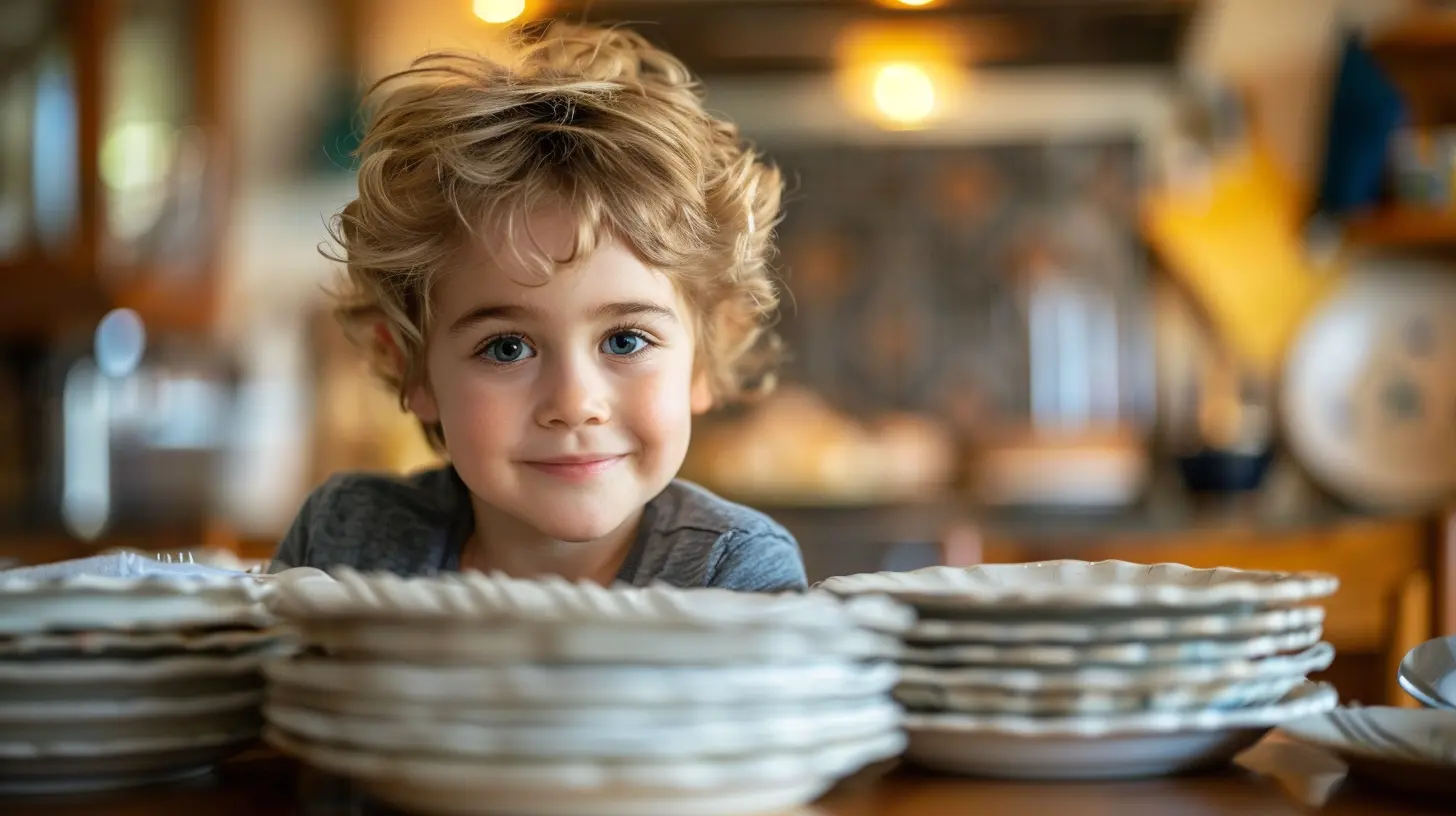
Make It Fun (Yes, It’s Possible)
Let’s not kid ourselves—cleaning isn’t most people’s idea of fun. But, for kids, almost anything can become a game with the right attitude.4. Play Music
Create a “Cleanup Playlist” with energetic songs. Let each family member pick a favorite. Dancing while drying dishes? Totally allowed.5. Use a Timer
Challenge your crew: “Let’s see if we can clean this kitchen in five minutes!” It adds urgency and turns it into a mini race.6. Pretend You're a Team of Chefs Closing the Kitchen
Kids love role playing. Pretend you’re the closing team at a top restaurant. What happens when everyone leaves the kitchen messy? The boss gets mad! Pretend your kitchen is the set of a cooking show and you’re wrapping up after the final dish.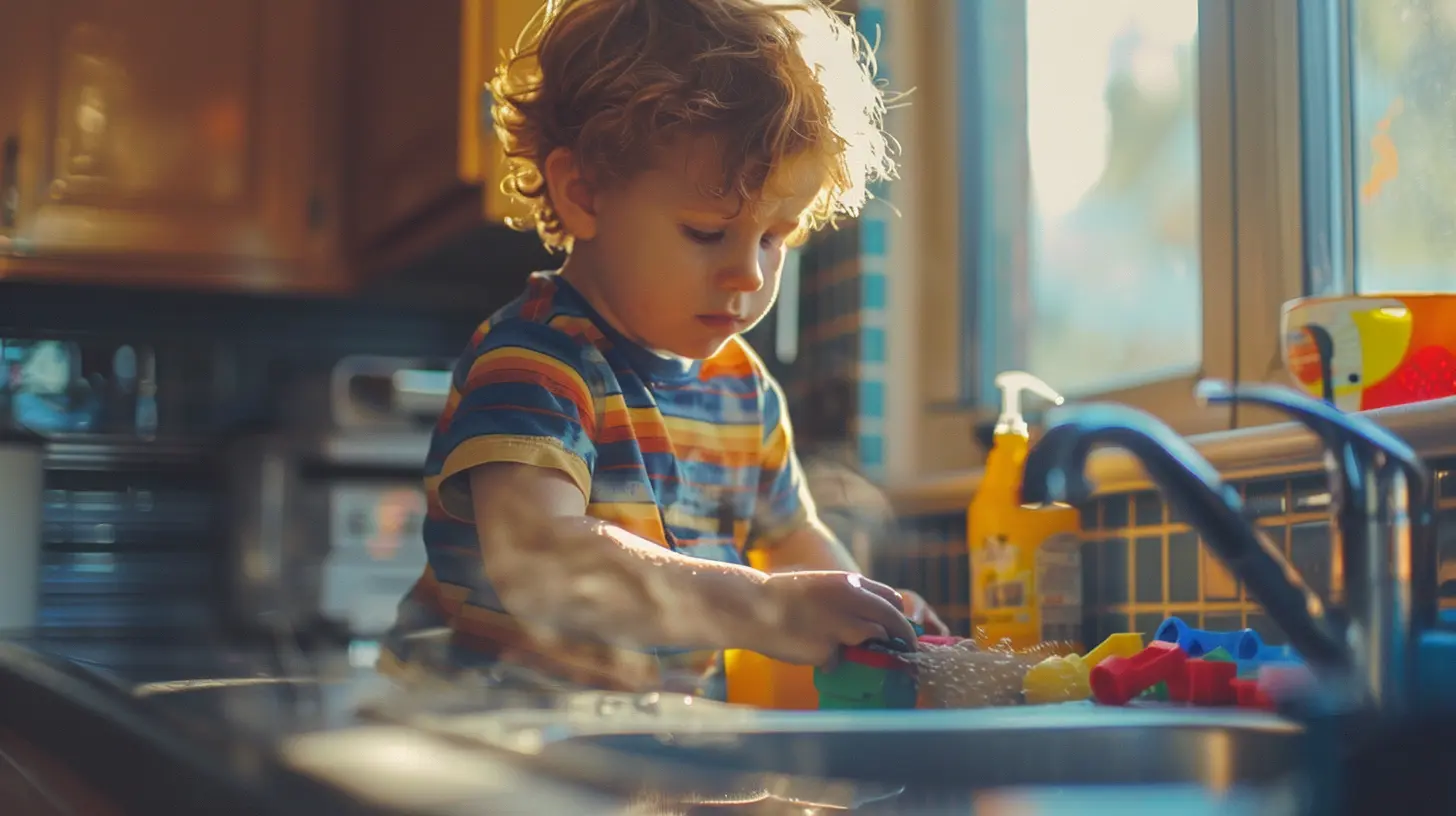
Lead by Example
Kids follow what you do more than what you say. If you’re grumbling through the cleanup or letting dishes sit overnight, they’ll see that as the norm.7. Stay Positive
You don’t have to act like scrubbing pots is pure joy—but try not to show visible dread, either. Keep the mood upbeat. Thank your family for helping. Let them see that pitching in is part of being a family.8. Don’t Aim for Perfection
If the forks aren’t lined up perfectly in the drawer or someone misses a spot while wiping the table, it’s okay. Focus on effort over perfection. Over time, the skills will improve.Create Visual Cues and Reminders
Sometimes, a little visual nudge goes a long way.9. Make an After-Meal Checklist
Put it on the fridge or near the dining table. Something like:- ✅ Put dishes in sink or dishwasher
- ✅ Wipe table and counters
- ✅ Sweep or vacuum crumbs
- ✅ Put leftovers away
- ✅ Wash hands
Kids love checking boxes—it makes them feel accomplished.
10. Use Chore Charts or Responsibility Boards
Weekly chore charts aren’t just tools for discipline—they’re great for setting routines. Assign specific cleanup roles each week and let your kids decorate the chart. Ownership = motivation.
Use Rewards Strategically
We’re not saying bribe your kids with candy every time they help clear the table. But let’s be honest, a little positive reinforcement goes a long way.11. Offer Praise and Recognition
Sometimes a simple “Thanks for helping, you really crushed it tonight!” is more motivating than any prize.12. Build Reward Systems That Encourage Teamwork
Think family movie night, extra park time, or an ice cream outing if everyone sticks to their cleanup roles for the week. The key is to reward the family as a unit, not individuals. That way, they’ll encourage each other to follow through.Be Patient—but Consistent
New habits, especially family-wide ones, take time. There will be days when the kids whine, someone bails early, or everyone forgets entirely. Don’t throw in the towel.13. Keep Reinforcing the Habit
Gently remind them that this is part of being in a family unit. It’s not a punishment—it’s teamwork. Talk about why cleanup matters: respect for shared space, helping each other, responsibility.14. Adjust As You Go
What works for one stage of your family's life may not work in another. Toddlers grow into tweens with busier schedules. Update your cleanup system periodically to reflect your family’s changing needs.
Final Thoughts: Make It a Legacy
Here’s something to chew on: one day, your kids will leave your nest. When they do, they’ll either be the roommate who washes their dishes or the one whose sink becomes a biohazard.By making post-meal cleanup a regular, non-negotiable part of family life, you're not just lightening your own load—you’re teaching life skills. You're raising kids who understand that home is a shared space, and everyone has a role to play in keeping it welcoming and clean.
And who knows? You might even start enjoying that few minutes of post-dinner camaraderie before the rest of the evening kicks into full gear.
So grab those dish towels, crank up your favorite tunes, and say it together, “Alright team, let’s close the kitchen!
all images in this post were generated using AI tools
Category:
Chores For KidsAuthor:

Austin Wilcox
Discussion
rate this article
1 comments
Rune Daniels
Encouraging teamwork during clean-up makes meals more fun and teaches responsibility to kids.
August 3, 2026 at 4:40 AM
Austin Wilcox
Absolutely! Teamwork not only makes cleaning up enjoyable, but it also instills valuable lessons in kids about sharing responsibilities.