Understanding Panic Attacks in Children and How to Help
26 June 2026
Panic attacks can be incredibly overwhelming, especially for children who may not fully understand what’s happening to them. As a parent, watching your child struggle with sudden and intense fear can be heartbreaking. But here’s the good news—you can help.
In this guide, we’ll break down everything you need to know about panic attacks in children, why they happen, and, most importantly, how you can support your child through them. 
What Is a Panic Attack?
A panic attack is a sudden burst of intense fear or distress that triggers strong physical reactions, even when there’s no real danger. It can feel like the body’s alarm system has gone haywire.For a child, a panic attack can be confusing and terrifying. Imagine being in a room where the walls suddenly feel like they’re closing in, your heart is pounding, and you can’t catch your breath—that’s what a panic attack can feel like.
The worst part? Panic attacks can happen without warning, making them even more unsettling. 
Signs of a Panic Attack in Children
Children don’t always have the words to describe what they’re feeling. Instead, they may express their fear through physical symptoms or behaviors. Here are some common signs:Physical Symptoms:
- Rapid heartbeat- Shortness of breath or feeling like they can't breathe
- Sweating or chills
- Dizziness or lightheadedness
- Nausea or stomach pain
- Trembling or shaking
- Chest pain or tightness
Emotional & Behavioral Symptoms:
- Intense fear or feeling like something bad will happen- Crying or screaming
- Feeling detached from themselves or reality
- Avoiding certain situations for fear of another attack
- Clinging to a parent or caregiver
Panic attacks usually last between 5 to 20 minutes, but they can feel like an eternity to a child. 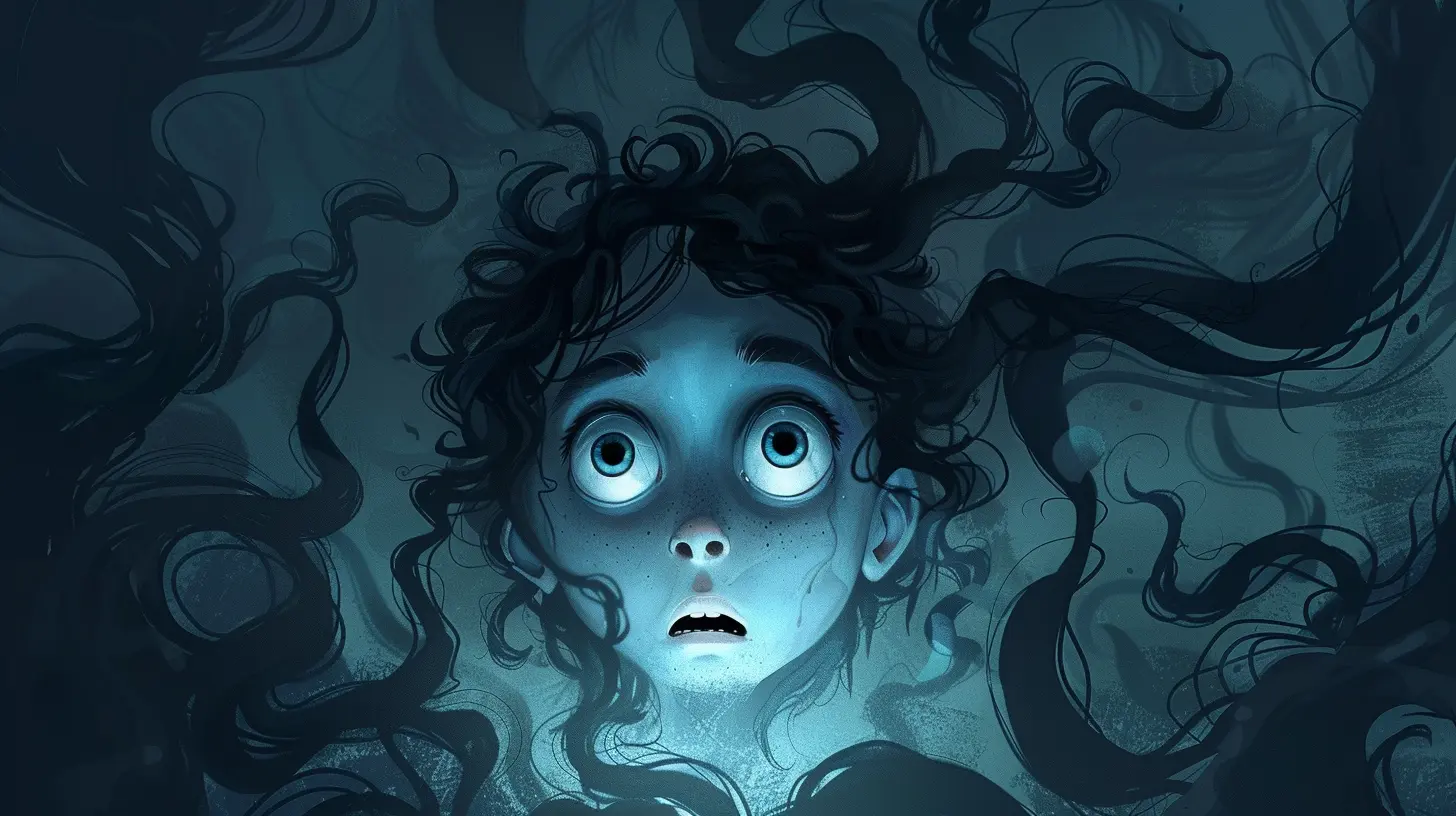
What Triggers Panic Attacks in Kids?
Panic attacks don’t just appear out of nowhere—there’s usually an underlying cause. Understanding these triggers can help you prevent and manage future episodes.1. Stress and Anxiety
Kids feel stress just like adults. School pressures, social situations, or even big life changes (moving, divorce, loss of a loved one) can trigger panic attacks.2. Genetics
If anxiety or panic attacks run in the family, your child may be more prone to them.3. Phobias
Certain fears—like being afraid of the dark, spiders, or public speaking—can spark a panic attack.4. Trauma or Past Experiences
Children who have experienced a frightening or traumatic event may develop panic attacks as a response to their past fears resurfacing.5. Sensory Overload
Loud noises, crowded spaces, or too much stimulation can be overwhelming for some children, leading to a panic attack.
How to Help a Child Having a Panic Attack
As a parent, your response during a panic attack can make a world of difference. The goal is to help your child feel safe and in control again. Here’s what you can do:1. Stay Calm Yourself
Your child will look to you for reassurance—if you panic, they’ll panic even more. Take deep breaths and use a soothing voice to guide them through.2. Use Grounding Techniques
Grounding helps bring the child’s focus back to the present moment. Try this simple exercise:- Name 5 things they can see
- Name 4 things they can touch
- Name 3 things they can hear
- Name 2 things they can smell
- Name 1 thing they can taste
This method helps shift their attention away from fear and into reality.
3. Encourage Slow, Deep Breathing
Children tend to hyperventilate during panic attacks, making their fear worse. Have them breathe in deeply through their nose for four seconds, hold for four seconds, and breathe out slowly through their mouth for four seconds.4. Offer Reassurance, Not Dismissal
Saying “You’re fine” or “There’s nothing to be scared of” might come from a good place, but it can make your child feel unheard. Instead, say things like:- “I know this is scary, but I’m here with you.”
- “This feeling will pass.”
- “You are safe, and I will help you through this.”
5. Provide a Comforting Object
Something as simple as a favorite stuffed animal, blanket, or fidget toy can provide comfort and security during a panic attack.6. Help Them Visualize a Safe Place
Encourage your child to close their eyes and imagine a place where they feel happy and safe. Maybe it’s the beach, grandma’s house, or their cozy bedroom. This mental escape can help calm their nervous system.Preventing Future Panic Attacks
Panic attacks are exhausting, and no parent wants to see their child go through them repeatedly. While you can’t always prevent them, you can take steps to reduce their frequency.1. Teach Emotional Awareness
Help your child recognize and name their feelings. The more they understand their emotions, the better they can manage them before they escalate into a panic attack.2. Encourage Healthy Routines
A well-rested, well-nourished child is better equipped to handle stress. Make sure they’re getting enough sleep, eating balanced meals, and staying active.3. Reduce Stress Triggers
Identify what’s causing your child anxiety and try to minimize unnecessary stress. Whether it’s schoolwork, social pressure, or a packed schedule, small adjustments can help.4. Practice Relaxation Techniques
Teach your child how to relax with simple breathing exercises, progressive muscle relaxation, or meditation. Apps like Calm or Headspace can be great tools.5. Seek Professional Help if Necessary
If panic attacks become frequent and interfere with your child’s daily life, therapy might be a good option. A licensed therapist can help them develop coping strategies tailored to their needs.When Should You Worry?
Occasional panic attacks can happen, but if they become frequent or severely impact your child's well-being, it’s time to seek help.Here are some red flags to look out for:
- Your child avoids activities or places for fear of having a panic attack
- They frequently complain of physical symptoms with no medical cause
- Panic attacks happen multiple times a week
- Their anxiety is disrupting school, friendships, or family life
A mental health professional can assess whether your child has an anxiety disorder and provide appropriate guidance.
Final Thoughts
Panic attacks in children can be scary—for both them and you. But with the right approach, you can help your child navigate their fears and regain a sense of control.Remember, patience and understanding go a long way. Over time, your child will learn how to manage their anxiety and feel more confident in handling their emotions. And as their biggest supporter, you’ll be right there beside them every step of the way.
all images in this post were generated using AI tools
Category:
Dealing With AnxietyAuthor:

Austin Wilcox
Discussion
rate this article
1 comments
Cerys McDonald
It's so important to support our kids through tough moments. Understanding their feelings can make a huge difference. Every small step we take can help them feel safe and loved. Let's equip ourselves with knowledge and compassion to guide them through their challenges... together we can make it easier!
July 7, 2026 at 3:10 PM
Austin Wilcox
Absolutely, supporting our kids during tough times is crucial. Being there for them with understanding and compassion can truly make a world of difference. Let's keep learning together to help them feel safe and loved.