Not Teaching Accountability: How It Hurts Long-Term Development
19 September 2026
Let’s be honest—parenting is tough. We all want to raise kind, confident, and responsible kids, but in today’s world of participation trophies and helicopter parenting, we sometimes miss a huge piece of the puzzle: teaching accountability.
Yes, it’s way easier to clean up after our kids or smooth over their mistakes than to deal with the drama of “teachable moments.” But the habit of skipping these moments can have long-term consequences that follow them into adulthood.
So, let’s talk about it, parent to parent. Why does accountability matter so much? What happens when we don’t teach it? And how can we (without turning into drill sergeants) start building this powerful life skill into our everyday parenting?
What Is Accountability, Really?
Before we dig into the why, let’s clear up the what. Accountability isn’t just about saying “I messed up.” It’s about owning our actions, understanding consequences, and putting in the effort to make things right.For kids, this might look like:
- Apologizing when they hurt someone’s feelings
- Admitting they forgot their homework instead of blaming the dog
- Cleaning up their mess without being asked ten times
It’s super simple on paper, yet incredibly hard in practice—especially when we’re trying to avoid tantrums or meltdowns.
Why Parents Sometimes Avoid Teaching Accountability
We’re not here to point fingers. If you’ve ever bailed your child out of trouble or let something slide “just this once,” you’re in good company. The temptation is real. Here are a few reasons why parents dodge accountability lessons:1. We Hate Seeing Our Kids Upset
No one likes seeing their child sad, embarrassed, or frustrated. So when they mess up, our instinct is to comfort, not correct. But by shielding them from discomfort, we also shield them from growth.2. We’re Rushed and Tired
Who has time for a 20-minute heart-to-heart when you're already late to soccer practice? Teaching accountability requires time and patience—two things in short supply for busy parents.3. We Fear They’ll Feel "Bad"
Some parents think accountability = shame. But that’s not the case. Teaching kids to own up and try again builds confidence, not guilt—if we handle it with compassion.
What Happens When Kids Aren’t Held Accountable?
Short-term convenience can lead to long-term challenges. Let’s break down how skipping accountability affects your child’s development.1. They Struggle with Responsibility
When kids aren't taught to own their actions, they often grow up expecting others to clean up their messes. Whether it’s unfinished schoolwork or broken friendships, they never quite connect the dots between their behavior and the outcome.Fast forward to adulthood—and you’ve got an employee who blames others, a partner who never apologizes, or a friend who ghosts whenever things get hard.
2. They Miss Out on Problem-Solving Skills
Mistakes are like life’s training wheels. If we remove the lesson that comes with messing up, kids miss a golden opportunity to learn how to fix things. Accountability teaches them to ask: What went wrong? What can I do differently next time?Without it, they tend to just repeat the same mistakes—and expect someone else to fix things.
3. They Develop a Victim Mindset
When we constantly excuse their poor choices or blame others “to protect them,” kids start to believe the world is out to get them. Tough situations become something that happens to them… never something they might’ve contributed to.Over time, this mindset is disempowering. Instead of facing challenges head-on, they may give up easily or lash out unfairly.
4. They May Struggle in Relationships
Let’s be real—relationships require accountability. Whether it’s with friends, a romantic partner, or coworkers, being able to say “I was wrong” or “That was my fault” is critical. Kids who don't learn this early often have rocky relationships later in life.5. They Lack Internal Motivation
When kids are never held accountable, they often rely on external motivators—like rewards, bribes, or threats—to do what’s right. They might struggle to make good choices on their own because they never learned to reflect on their actions and values.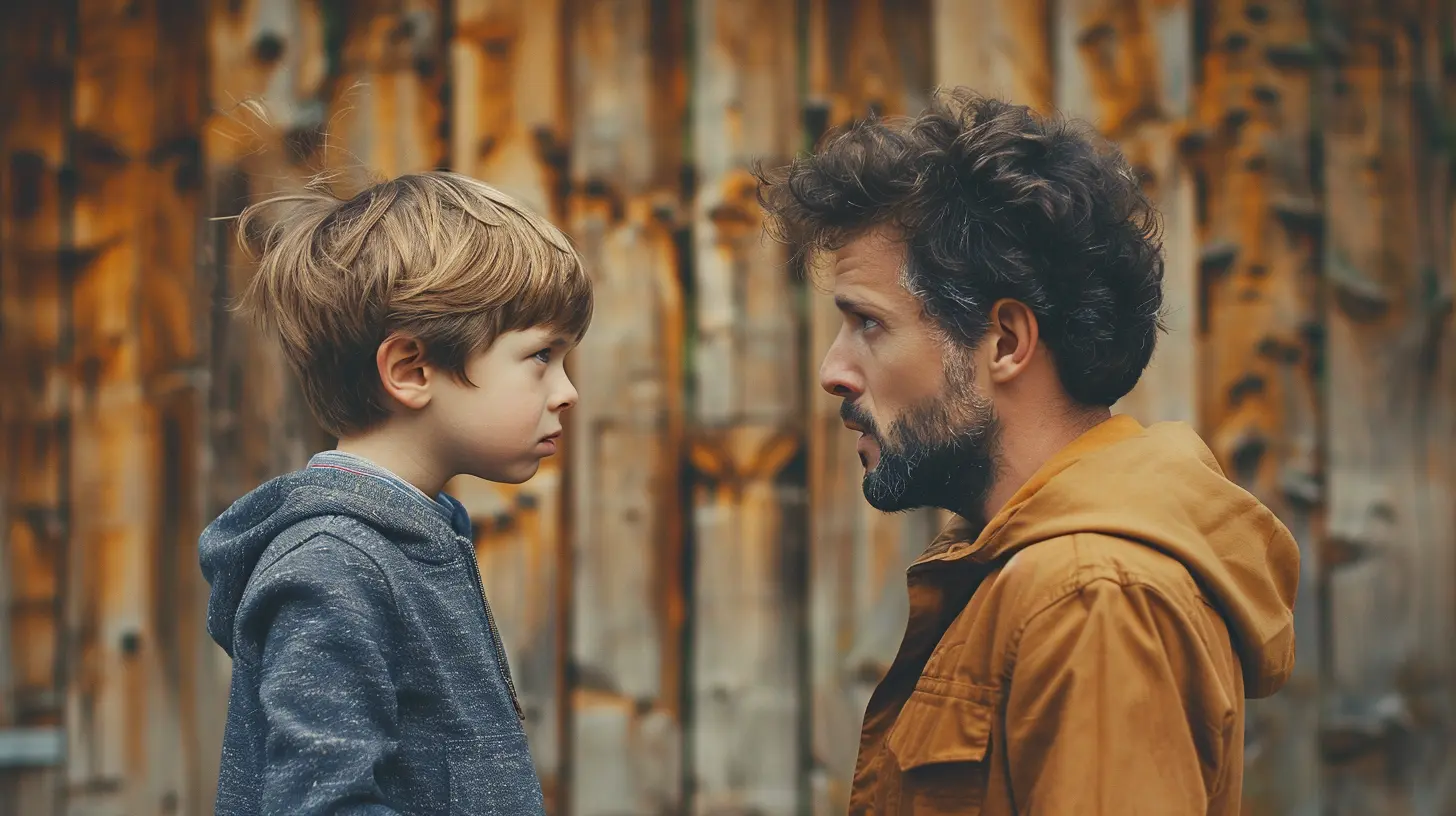
Spotting the Signs: Is Accountability Missing?
Not sure if a lack of accountability is sneaking into your household? Look out for these red flags:- Your child blames others… for everything.
- They avoid consequences by lying or crying.
- You find yourself making excuses for them to teachers or other adults.
- They rarely apologize unless forced.
- They're quick to get defensive when corrected.
Recognizing the patterns is the first step to turning things around.
How to Teach Accountability (Without Crushing Their Spirit)
Teaching accountability doesn’t mean being harsh or punitive. It means walking alongside your child as they learn to take ownership in age-appropriate ways. Here’s how you can start:1. Model It Like A Boss
Kids follow our lead. If they see you owning your mistakes—“Whoa, I forgot to take out the trash. That’s on me”—they’re more likely to do the same.Plus, modeling teaches them that being wrong doesn’t make you bad. It just makes you human.
2. Let Natural Consequences Happen (Within Reason)
Sometimes the best lessons come from real-life consequences. Missed the bus because they were goofing off? They’ll learn to get ready faster tomorrow. Forgot their homework? Let the teacher handle it.Of course, we’re not talking about letting them fail in damaging ways—but small mistakes now build resilience later.
3. Have Accountability Talks, Not Lectures
Nobody likes a lecture. Open the door for conversation instead. Ask questions like:- “What happened?”
- “What could you have done differently?”
- “How can we fix this?”
Get curious, not angry. You’d be surprised how insightful kids can be when you treat them like capable problem-solvers.
4. Praise Ownership, Not Just Outcomes
Even if your child didn’t handle something perfectly, praise them for owning it. Say things like:- “I’m proud of you for telling me the truth.”
- “That was brave of you to admit you forgot.”
- “Thanks for being honest—that’s what matters most.”
5. Create a Safe Space to Fail
Kids need to know that it’s okay to mess up. When they feel safe owning their mistakes without fear of intense punishment or shaming, they’re more likely to be honest and reflective.Your home should be a safe training ground for the real world—not a courtroom.
Accountability at Every Age
Here’s a quick breakdown of what accountability might look like at different stages of childhood:Toddlers (Ages 1–3)
- Simple cause and effect: “You threw the toy, so now it’s time to put it away.”- Use clear, short sentences and repeat often.
Preschoolers (Ages 3–5)
- Begin teaching apologies and follow-through.- “You hurt your sister’s feelings. What can we do to make it better?”
Early Elementary (Ages 6–9)
- Encourage responsibility for chores, homework, and telling the truth.- Set clear consequences and let them make choices—and deal with the results.
Tweens and Teens (Ages 10+)
- Dig deeper into how choices affect others.- Involve them in problem-solving and ask for their input.
- Focus on self-reflection and emotional growth.
Every age is an opportunity to build the muscle of accountability—just on a different level.
Quick Tips for Success
Let’s wrap it up with some bite-sized parenting gold:- ✅ Keep calm when your child messes up—it helps them stay open.
- ✅ Stick to your word. If consequences are wishy-washy, lessons won’t stick.
- ✅ Avoid rescuing them. Loving them doesn’t mean saving them from every uncomfortable moment.
- ✅ Celebrate growth. Mistakes + ownership = progress!
Final Thoughts
Here's the thing: accountability isn't just a chore or a discipline strategy—it's a gift. When you teach your child to own their actions, you’re giving them the tools to navigate life with confidence, integrity, and resilience.We all trip up sometimes as parents. But every challenge is another chance to teach your kids how to become strong, self-aware humans.
So the next time your child tries to dodge a consequence with a “Not my fault!”—smile, take a breath, and think, This is one of those golden parenting moments. Because it is.
Let’s raise kids who don’t just say "I'm sorry"—but mean it, learn from it, and come back stronger.
all images in this post were generated using AI tools
Category:
Parenting MistakesAuthor:

Austin Wilcox