Pacifiers and Sleep: What Parents Need to Know
16 October 2026
Few objects in parenting generate as much quiet controversy as the humble pacifier. It is a plug, a comfort, a sleep tool, a dental concern, and a source of guilt, often all in the same week. Parents are told to offer one to reduce the risk of sudden infant death syndrome, then told to take it away before it ruins their child's teeth. Both pieces of advice can be correct. The problem is that most discussions skip the part that actually matters: how, when, and why a pacifier interacts with sleep at each stage of a child's development.
This article treats the pacifier as what it really is, a tool with specific uses, specific limits, and specific costs. Used well, it can make sleep easier for everyone. Used poorly, it can create dependency patterns that outlast the newborn phase by years. The difference is rarely the pacifier itself. It is the plan behind it.
Why a Pacifier Helps Some Babies Sleep
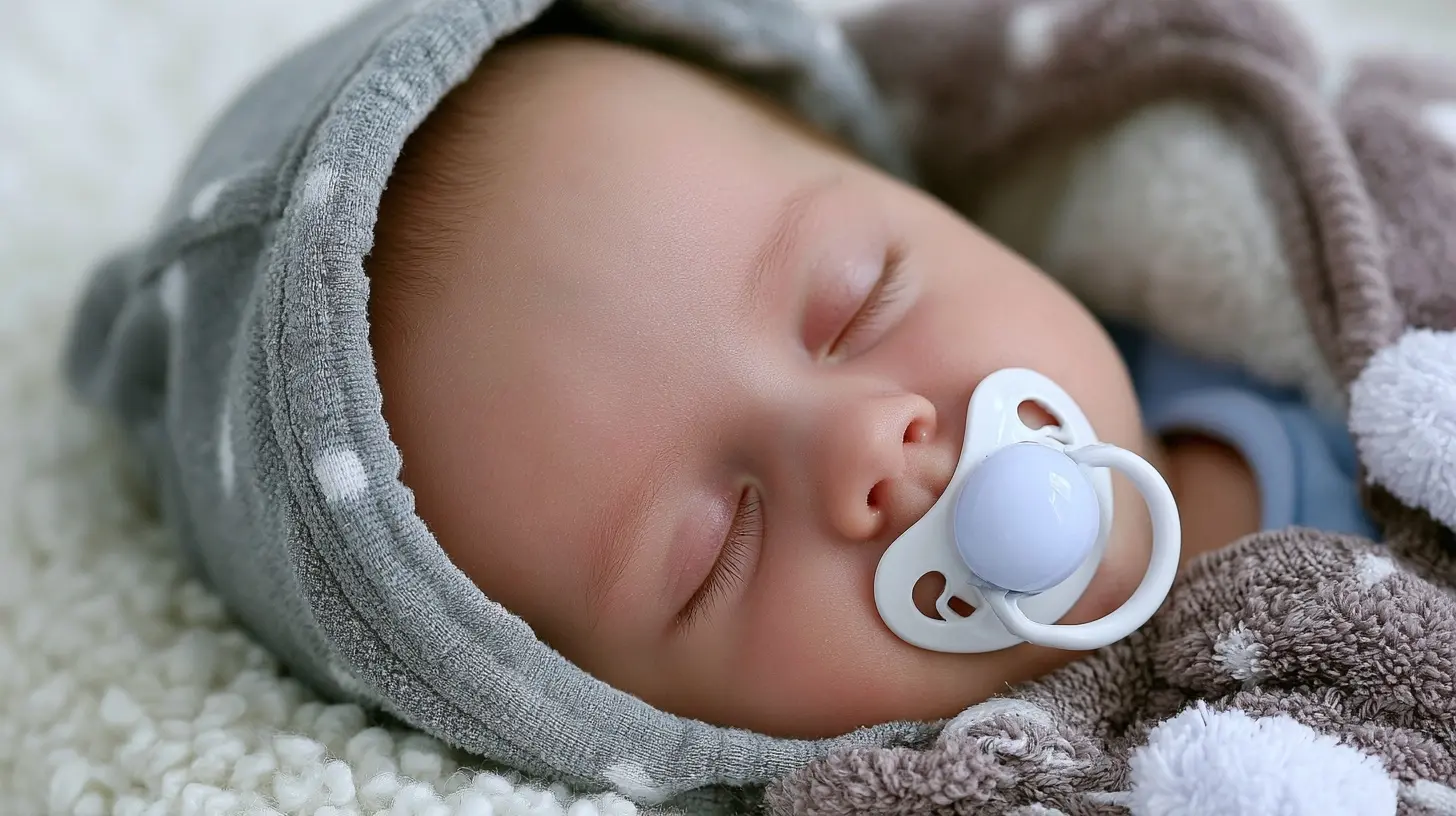
A pacifier works on sleep through two mechanisms: physiological calming and behavioral association.Sucking is a self-soothing behavior that babies are born with. Non-nutritive sucking, meaning sucking without feeding, lowers arousal and has a measurable calming effect on infants. For a newborn who is tired but not hungry, a pacifier can bridge the gap between fussing and settling. That is why it often works within seconds when nothing else does.
The second mechanism is association. If a baby consistently falls asleep with a pacifier in their mouth, the pacifier becomes part of the sleep environment, just like a dark room or a sound machine. This is not inherently bad. The trouble starts when the association becomes a requirement that the baby cannot maintain alone. More on that below.
There is also a well-established public health angle. Major health organizations, including the American Academy of Pediatrics, recommend offering a pacifier at sleep times for infants in the first months of life because it is associated with a reduced risk of SIDS. The exact reason is not fully understood. One leading theory is that the pacifier keeps the airway slightly more open and prevents the baby from settling into too deep a sleep, which may make it easier to arouse if breathing becomes irregular. This is a genuine benefit, and for many families it is the strongest argument for using one at all.
The Trade-Off No One Explains Clearly
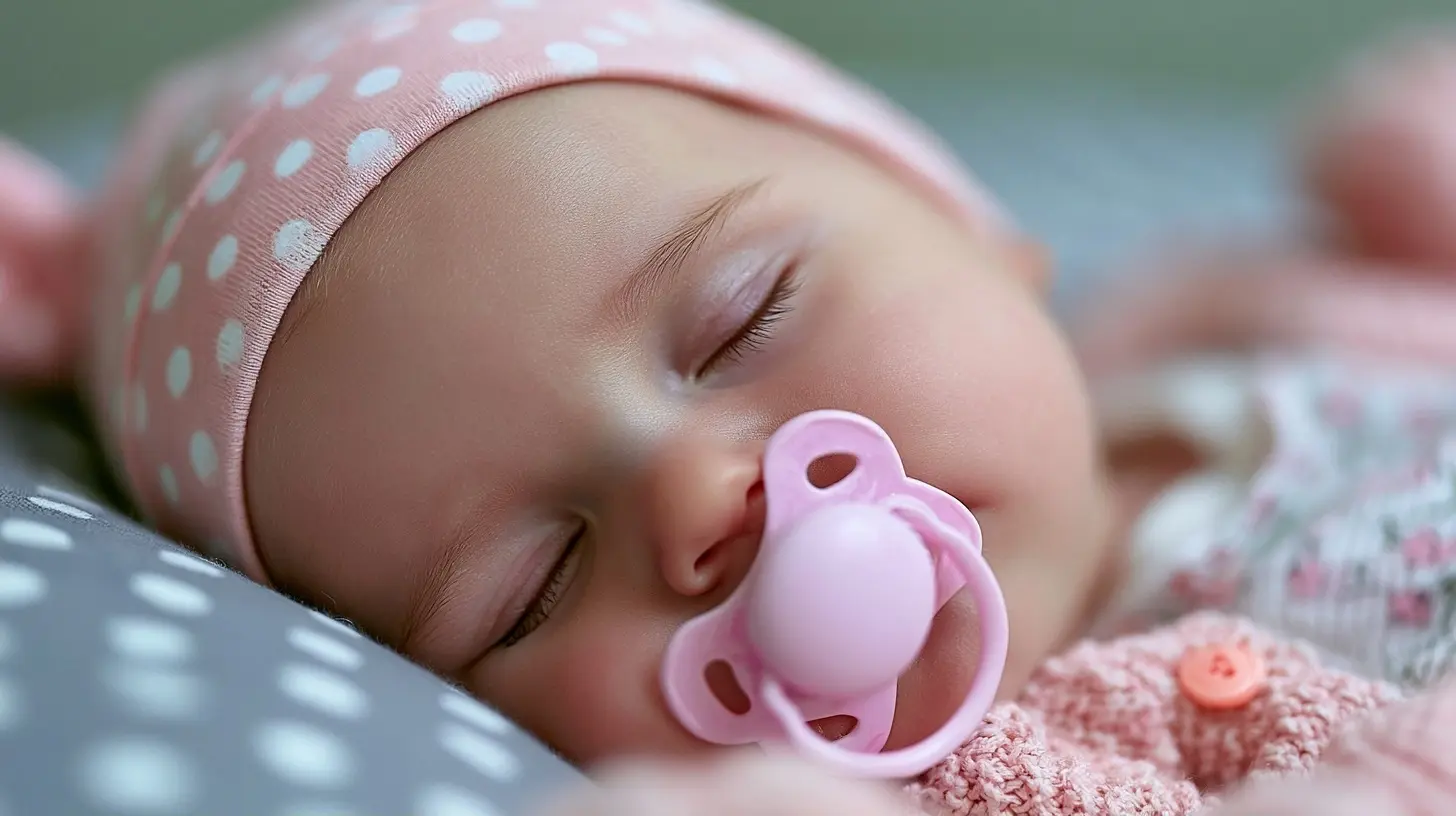
Here is the part that gets lost. The same properties that make a pacifier useful in the first months make it a liability later.A newborn who wakes briefly during the night may not have the motor skills or the self-regulation to fall back asleep without help. A pacifier provides that help. That is fine when the parent is awake anyway and the wake-ups are frequent for feeding. But around four to six months, sleep architecture changes. Babies begin to cycle through lighter and deeper sleep stages more like adults, and they wake between cycles. If a pacifier has become the trigger for falling asleep, the baby will often cry when it falls out at 2 a.m. because the conditions at sleep onset no longer match the conditions at the wake-up.
This is the core principle: a child who falls asleep with a prop will need that prop restored when they surface between sleep cycles. The prop can be a pacifier, a bottle, a rocking motion, or a parent's hand. The pacifier is simply one of the most common.
None of this means the pacifier is a mistake. It means the decision depends on what you are optimizing for. If your priority in the first six months is safe sleep and survival, the pacifier is an ally. If your priority after six months is independent sleep, the pacifier may become an obstacle unless you manage it deliberately.
Age-by-Age Guidance
Newborn to About Four Months
This is the phase where the pacifier earns its keep. Offer it at sleep times and during fussy periods after feeding needs are met. Do not worry about creating bad habits yet. Habits require memory and repetition, and a newborn's sleep is too fragmented for a strong association to form in a way that will be hard to break.A few practical points. Wait until breastfeeding is well established, usually two to four weeks, before introducing a pacifier, since early use can interfere with milk supply and latch in some cases. Never force it. If your baby spits it out, that is information, not failure. And do not reinsert it every time it falls out during the night unless your baby is actively distressed. Constant reinsertion in the newborn phase is exhausting and can start a pattern you will resent later.
Four to Eight Months
This is the transition zone, and it is where most families get stuck. Two things happen at once. Babies develop the ability to self-soothe, and they also develop a strong attachment to familiar objects.If your baby can find and replace the pacifier independently, great. Some babies do this around six to eight months. If yours can, the pacifier becomes far less of a sleep problem because the child controls it. If yours cannot, you have a choice to make. You can keep reinserting it, you can begin to reduce reliance on it at sleep onset, or you can wait and address it later. There is no single right answer, but the longer you reinsert a pacifier multiple times a night, the more firmly the association sets.
One useful strategy is to let the pacifier be present at the start of sleep but not the last thing in the mouth. For example, feed, then offer the pacifier while reading a book, then remove it gently before placing the baby down drowsy but awake. This is not a guarantee, and some babies will protest. But it loosens the link between pacifier and sleep onset.
Eight to Eighteen Months
By now the pacifier is often a full attachment object. It may be used at sleep, in the car, at daycare, and during any emotional upset. This is also when parents start hearing about dental effects and speech concerns.At this age, the pacifier is doing real emotional work for the child. Removing it abruptly can cause genuine distress. The better approach is usually gradual reduction, starting with the easiest contexts. Many families begin by limiting the pacifier to the crib or bed only. Once that is stable, they shorten the time it is available at sleep, or they introduce a replacement comfort object such as a small lovey or stuffed animal, if the child is over twelve months and it is safe to have one in the sleep space.
Two Years and Older
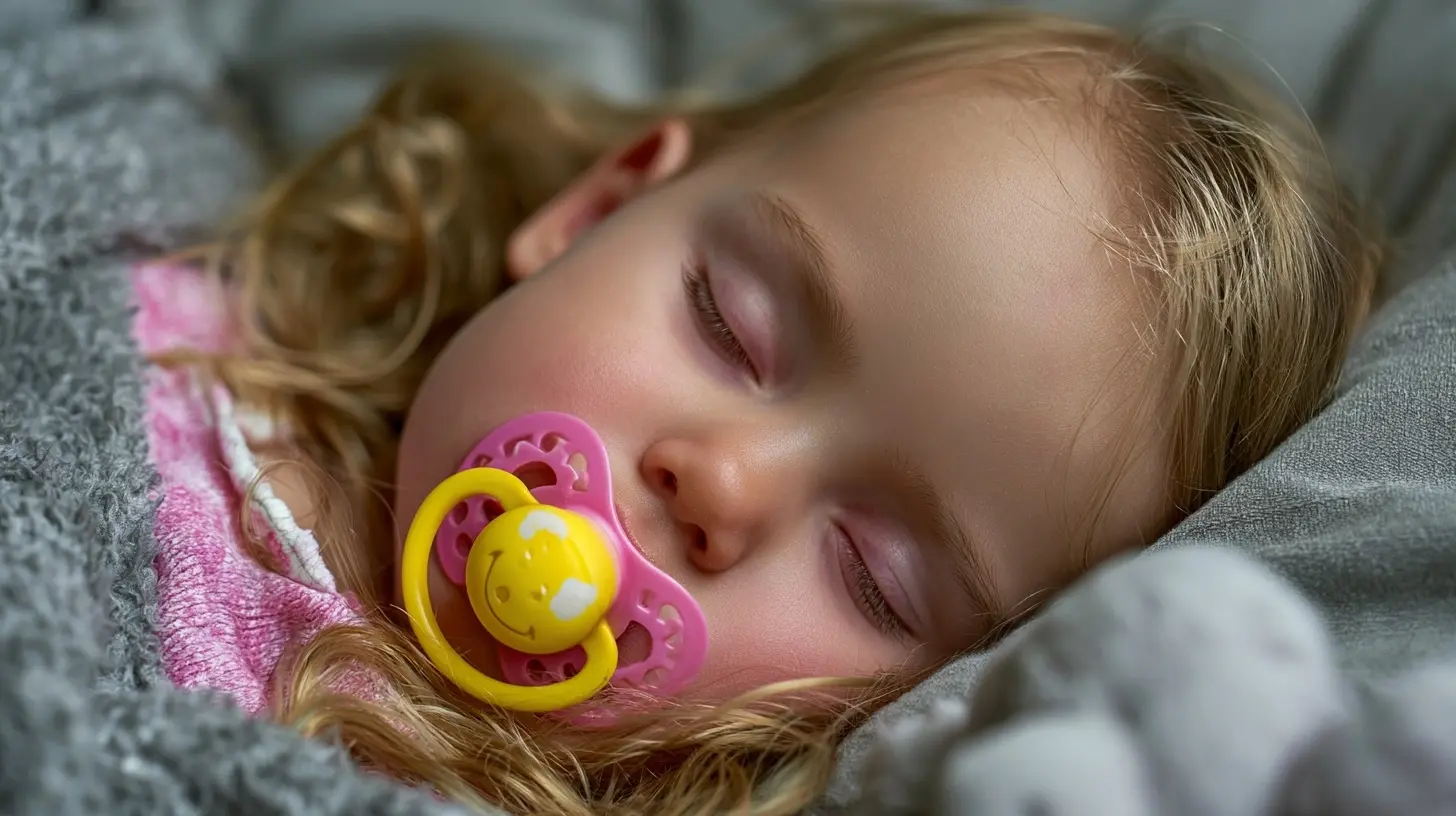
Prolonged pacifier use past age two to four is associated with dental changes, particularly open bite and crossbite, and in some cases with speech sound difficulties. The risk increases with frequency and duration of use. A pacifier used only at night for a few minutes is different from one used all day. This is not a reason to panic, but it is a reason to have a plan.For older toddlers, the most effective approaches tend to be concrete and child-led. Some families use a gradual weaning calendar. Others use a "bye-bye" ritual, such as giving the pacifiers to a new baby or to a special box. What matters is that the child has some sense of control and that the adults are consistent. Half-measures, like giving it back during a rough night, tend to prolong the process and confuse the child.
Common Mistakes Parents Make
Using the pacifier to replace a feeding. A hungry baby will eventually reject the pacifier and become more upset. If a baby under six months wakes and the pacifier does not settle them within a minute or two, consider whether hunger is the real issue.Reinserting it all night long. This is the most common path to parental exhaustion. If you are up six times a night replacing a pacifier for a baby over four months, that is a sign the pacifier has become the problem, not the solution.
Going cold turkey without a plan. Removing a pacifier abruptly can work for some children, especially under twelve months. For older toddlers, it often triggers more distress than a gradual approach, and many parents give in after two hard nights, which teaches the child that persistence pays off.
Ignoring dental and speech signs. If a child's front teeth are visibly shifting, if speech sounds are distorted, or if a dentist or speech therapist raises a concern, that is a signal to act, not to wait another year.
Assuming the pacifier is the only problem. Sometimes parents remove the pacifier and sleep does not improve, because the real issue was a schedule problem, a sleep association with feeding, or an environment that was too stimulating. The pacifier was a symptom, not the cause.
What About the SIDS Benefit After Six Months?
The SIDS risk drops sharply after six months. Most organizations that recommend pacifier use at sleep focus on the first six months, and some extend the recommendation to twelve months. After that, the protective benefit is considered minimal, while the dental and dependency concerns grow. This is a reasonable point to reassess. It does not mean you must remove the pacifier at six months exactly. It means the balance of pros and cons shifts, and your decision should shift with it.
Practical Strategies That Actually Work
Decide on a timeline before you start. Pick a realistic window, such as over two to four weeks, and write down the steps. Vague intentions rarely survive a tired Tuesday night.Reduce access gradually by context. Start with the easiest setting to remove, such as daytime use outside the crib. Then move to naps, then nights. This gives the child time to adjust without losing everything at once.
Introduce a substitute comfort. A small stuffed animal, a specific blanket, or a consistent bedtime routine can take over some of the pacifier's job. The substitute does not need to be magical. It needs to be consistent.
Keep the bedtime routine identical. When you remove a sleep prop, the rest of the routine should stay the same. Predictability reduces anxiety. If bath, book, and song always happen in that order, the child has a stable frame even when one element changes.
Expect a few hard nights and plan for them. Sleep changes rarely happen without protest. If you know that nights two and three are often the hardest, you are less likely to abandon the plan at 3 a.m.
Do not start during a major transition. Moving, illness, a new sibling, or starting daycare are not the moments to remove a comfort object. Wait for a stable stretch if you can.
When to Keep the Pacifier Longer
There are situations where keeping the pacifier makes sense despite the trade-offs. A child with significant medical needs, a child in the middle of a major developmental leap, or a family in crisis may reasonably choose to delay weaning. A pacifier that helps a child sleep is not a moral failing. It is a tool, and tools can be retired when the time is right.The key is to make that choice consciously rather than by default. "We are keeping it for now because sleep is fragile this month" is a plan. "We never really thought about it" is how pacifiers end up in kindergarten backpacks.
A Final Word on Guilt
Parents get a lot of contradictory messages about pacifiers. Some of that is because the research genuinely points in different directions at different ages. Some of it is because advice gets repeated without context. You do not need to feel bad about using a pacifier for a newborn, and you do not need to feel bad about taking one away from a three-year-old. What matters is that you understand what the pacifier is doing for your child's sleep, what it is costing, and whether the balance still favors keeping it. That is a decision only you can make, and it is a decision you can revisit as your child grows.
all images in this post were generated using AI tools
Category:
Babies And SleepAuthor:

Austin Wilcox