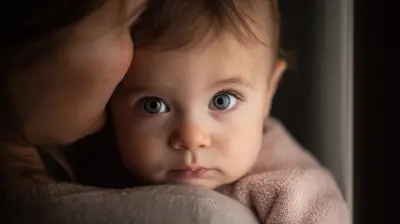
The Connection Between Anxious Parents and Anxious Children
4 August 2026
Anxiety. It’s that gut-wrenching feeling you get before a big presentation, the racing thoughts when you're trying to sleep, or the unease when your child ventures into something unknown. But, have you ever stopped to wonder if your anxiety might be rubbing off on your child? If you're stressed, could that be making them anxious too?
It's not only a possibility, but a reality for many families. The connection between anxious parents and anxious children is more intertwined than you'd think. Before you start panicking (we're aiming to reduce anxiety, not increase it!), let's take a deep dive into why this happens and how you can break the cycle.

Understanding Anxiety
Before we explore the link between anxious parents and anxious children, it's essential to understand what anxiety is. Anxiety isn't always a bad thing. In fact, it's a natural response to stress—our body’s way of keeping us alert and prepared for danger. Think of it as an internal alarm system. When managed properly, anxiety can help us make decisions, solve problems, and stay focused during challenging times.However, when anxiety becomes too frequent or overwhelming, it can start disrupting your daily life—and that’s when it becomes a problem.
But here's the thing: Anxiety is not limited to a specific age group. Both adults and children can experience it. And unfortunately, when one family member is anxious, it often creates a ripple effect that impacts everyone.
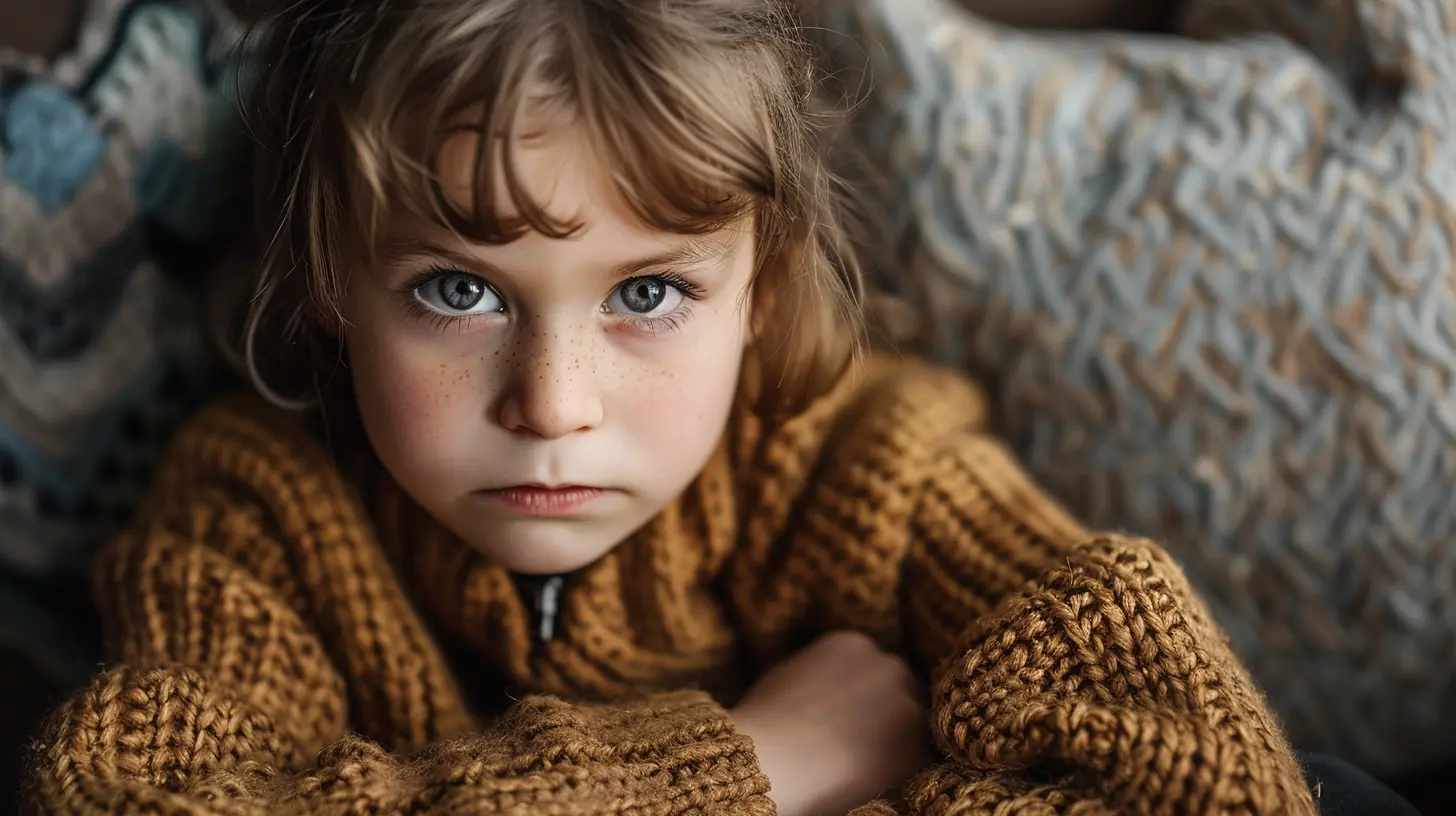
The Parent-Child Anxiety Connection
You know the saying, “The apple doesn’t fall far from the tree”? Well, when it comes to anxiety, this idiom holds more truth than we'd like to admit. Children don't just inherit their parents' eye color, height, or stubborn streak. They can also inherit your anxiety.Nature vs. Nurture
This brings us to a classic debate: nature vs. nurture. Is anxiety passed down through genetics, or does it develop through learned behavior?The answer is... both.
1. Genetics: Research shows that anxiety disorders can run in families. If you or your partner struggle with anxiety, your child is statistically more likely to experience anxiety too. Studies have found that genetics can account for 30-40% of the risk for anxiety disorders. So, yes, there’s definitely a biological component.
2. Learned behavior: While genetics might set the stage, the environment plays a leading role. Children are like little sponges—constantly absorbing cues from their surroundings. This includes how their parents (that’s you!) react to stressful situations. If you’re constantly anxious, your child may learn to respond to challenges in a similar way.
Think about it: If every time you face a stressful situation, you panic or show excessive worry, your child is likely to mimic that behavior. They’re learning from you, just as they learn about the world, relationships, and everything else!
The Emotional Climate
Ever feel stressed and notice that suddenly, the whole house feels tense? That’s because our emotions are contagious—especially to children. Kids are highly attuned to their parent's emotional state. If you're anxious, even if you're trying your best to hide it, your child may pick up on your non-verbal cues, such as your tone of voice, body language, or even facial expressions.The emotional climate you create at home can have a long-lasting impact on your child's emotional well-being. When anxiety becomes the dominant emotion, it can make your child feel like the world is a scary or unpredictable place—even if they don’t fully understand why.

Signs of Anxiety in Children
Children don’t always express their feelings the way adults do. Instead of saying, “I’m anxious,” a child might show their anxiety in different, sometimes baffling ways. Here are some common signs of anxiety in children that you should look out for:1. Physical Symptoms: Complaints of stomachaches, headaches, or other unexplained physical symptoms can often be a manifestation of anxiety. Children may not recognize the emotional stress they feel, but it gets expressed in their bodies.
2. Avoidance: Is your child avoiding certain activities, places, or people? Avoidance is a common way children try to reduce their anxiety. For example, they might be reluctant to go to school or participate in social events because they’re nervous about what could happen.
3. Irritability or Anger: Anxiety in children doesn’t always look like worry or fear. Sometimes, it shows up as irritability, tantrums, or even aggression. This is their way of dealing with overwhelming emotions.
4. Difficulty Sleeping: Constant worrying can make it hard for anxious kids to fall asleep or stay asleep.
5. Clinginess: If your child insists on being close to you at all times or becomes unusually attached, this could be a sign they’re feeling anxious.
If these signs sound all too familiar, it’s time to evaluate what might be contributing to your child’s anxiety—especially how your own anxiety might be part of the equation.
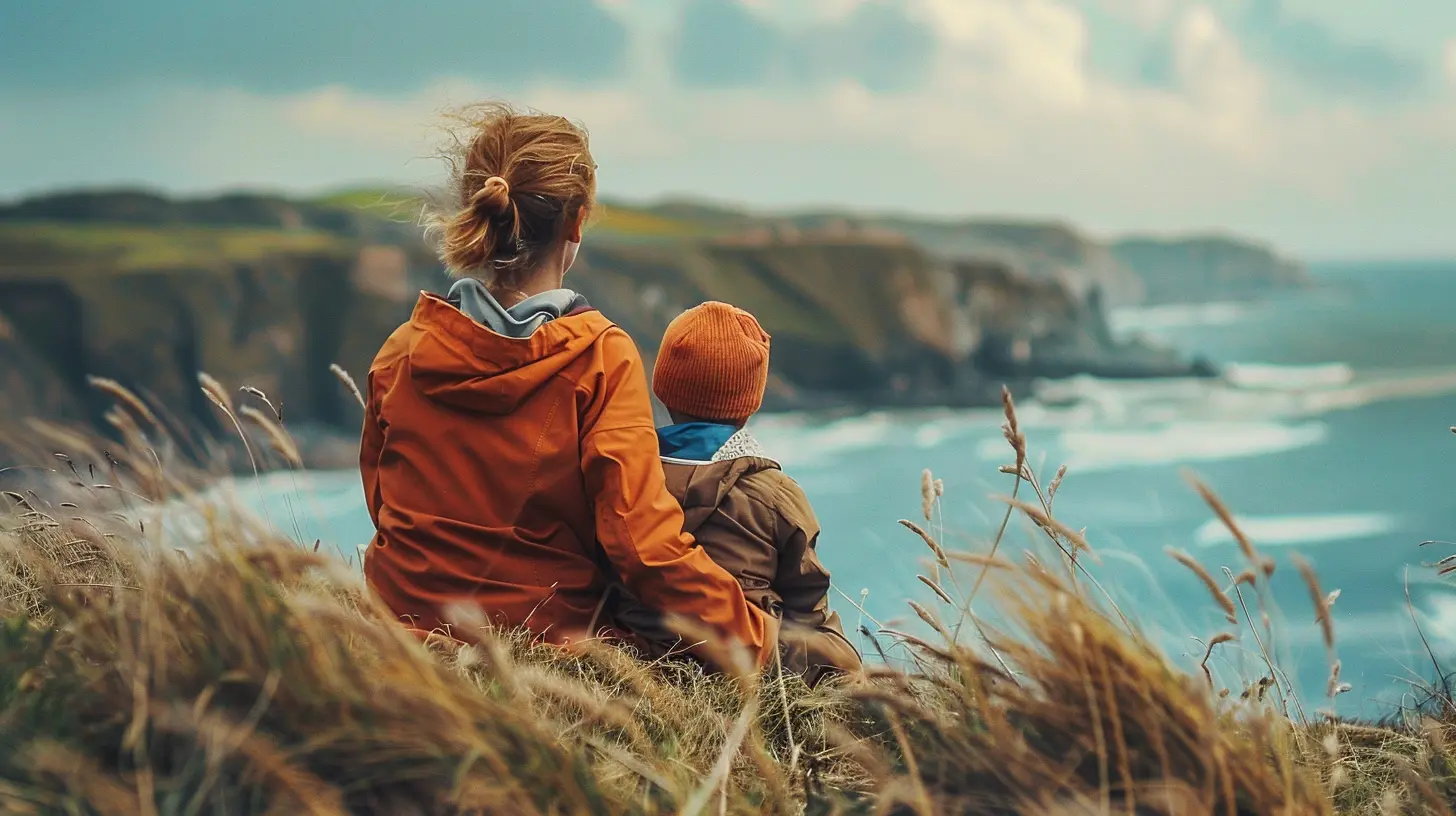
How Parental Anxiety Shapes a Child's Future
Anxiety, when left unchecked, can become a big problem down the road. Children of anxious parents are at risk of developing anxiety disorders later in life.Let me paint you a picture: If you’re constantly anxious about your child’s ability to handle tough situations—like meeting new friends or stepping out of their comfort zone—you might unintentionally become overprotective, shielding them from challenges. Sounds harmless, right? But by doing this, you’re sending the message that these situations are too difficult for them to handle on their own.
This can create a self-fulfilling prophecy: The more you worry and try to protect your child, the less confidence they have in themselves. They might start to believe that the world is a dangerous place, reinforcing their anxiety and making it harder to cope in the future.
Breaking the Cycle
Okay, so we've established that anxious parents can pass their anxiety to their children, but that doesn't mean you're stuck with this cycle forever. The good news? You can take steps to reduce both your own anxiety and your child's.1. Acknowledge Your Anxiety
The first step is to recognize your own anxiety. This might be tough, especially if you’ve been living with it for years, but acknowledging it is essential. Take time to reflect on how your anxiety manifests itself. Do you have specific triggers? Are you excessively worried about your child's safety or success?By understanding how you react to stress, you can start making more conscious efforts to respond differently when faced with anxiety-inducing situations.
2. Practice Mindfulness
Mindfulness can be a game-changer for managing anxiety, both for you and your child. It's all about being present in the moment and recognizing when anxiety is taking over. When you’re mindful, you become more aware of your thoughts and feelings and can prevent them from spiraling out of control.There are plenty of mindfulness exercises you can try with your child. For instance, practice deep breathing together when things start to feel overwhelming. You can even introduce simple meditation exercises to create a sense of calm. The more both of you practice, the easier it becomes to stay grounded.
3. Be a Calm Role Model
Modeling calm behavior is key. If your child sees you managing stress and anxiety in a healthy way, they’ll learn to do the same. This means showing your child that it's okay to feel anxious sometimes but also demonstrating how to cope with it.For example, instead of reacting to a stressful situation with panic, take a deep breath, think things through, and calmly explain how you’re going to handle it. Encourage problem-solving rather than resorting to avoidance.
4. Encourage Independence
One of the best ways to help your child feel more confident—and reduce their anxiety—is to encourage independence. This doesn’t mean pushing them into uncomfortable situations, but rather giving them opportunities to face challenges in a supportive environment.Allow your child to make mistakes and learn from them. When they succeed at overcoming certain hurdles, they’ll feel a greater sense of accomplishment and be more prepared to tackle anxiety-inducing situations.
5. Seek Professional Help
If you're feeling overwhelmed or unsure about how to manage your anxiety or your child's anxiety, don’t hesitate to seek professional help. Mental health professionals, such as therapists or counselors, can provide the tools your family needs to navigate anxiety more effectively. Sometimes, talking to someone else—outside the family—can make all the difference.
Conclusion
The connection between anxious parents and anxious children is a powerful one, but it’s not unbreakable. By acknowledging your own anxiety, modeling calm behavior, and encouraging your child to face challenges, you can create a healthier emotional environment for your entire family.Remember, everyone experiences anxiety from time to time. The goal isn't to eliminate it entirely (because let's face it, that’s impossible), but to manage it in a way that promotes emotional resilience, confidence, and peace.
So, next time you feel that wave of anxiety rising, take a deep breath, and ask yourself: What kind of message am I sending to my child about how to handle life’s inevitable challenges?
all images in this post were generated using AI tools
Category:
Dealing With AnxietyAuthor:

Austin Wilcox
Discussion
rate this article
1 comments
Logan Hall
This article sheds light on a fascinating topic. It's intriguing to consider how our anxieties can shape our children's experiences. I'm eager to learn more about strategies to foster a calmer environment for them.
August 8, 2026 at 2:44 AM
Austin Wilcox
Thanks for your thoughts! I'm glad you found the topic intriguing. Creating a calmer environment is key, and I'll definitely explore strategies in future pieces. Stay tuned!