Reviving the Village: A New Model for Parenting Together
27 August 2026
There is a phrase we hear all the time, usually said with a sigh: "It takes a village to raise a child." We nod, we agree, and then we go back to doing it all alone. The modern parent is exhausted, isolated, and often carrying a mental load that would have been unthinkable a few generations ago. We have traded the village for convenience, and in doing so, we have lost something essential.
This is not another nostalgic plea to bring back the 1950s. The old village had real problems: judgment, gossip, rigid gender roles, and a lack of privacy. But the answer is not to pretend we don't need help. The answer is to build a new model, one that fits the way we actually live now. A model that acknowledges our deep need for connection while respecting our autonomy. This article is about how to do that, practically and honestly, without pretending it is easy.
Why the Old Village Collapsed (And Why We Can't Just Rebuild It)
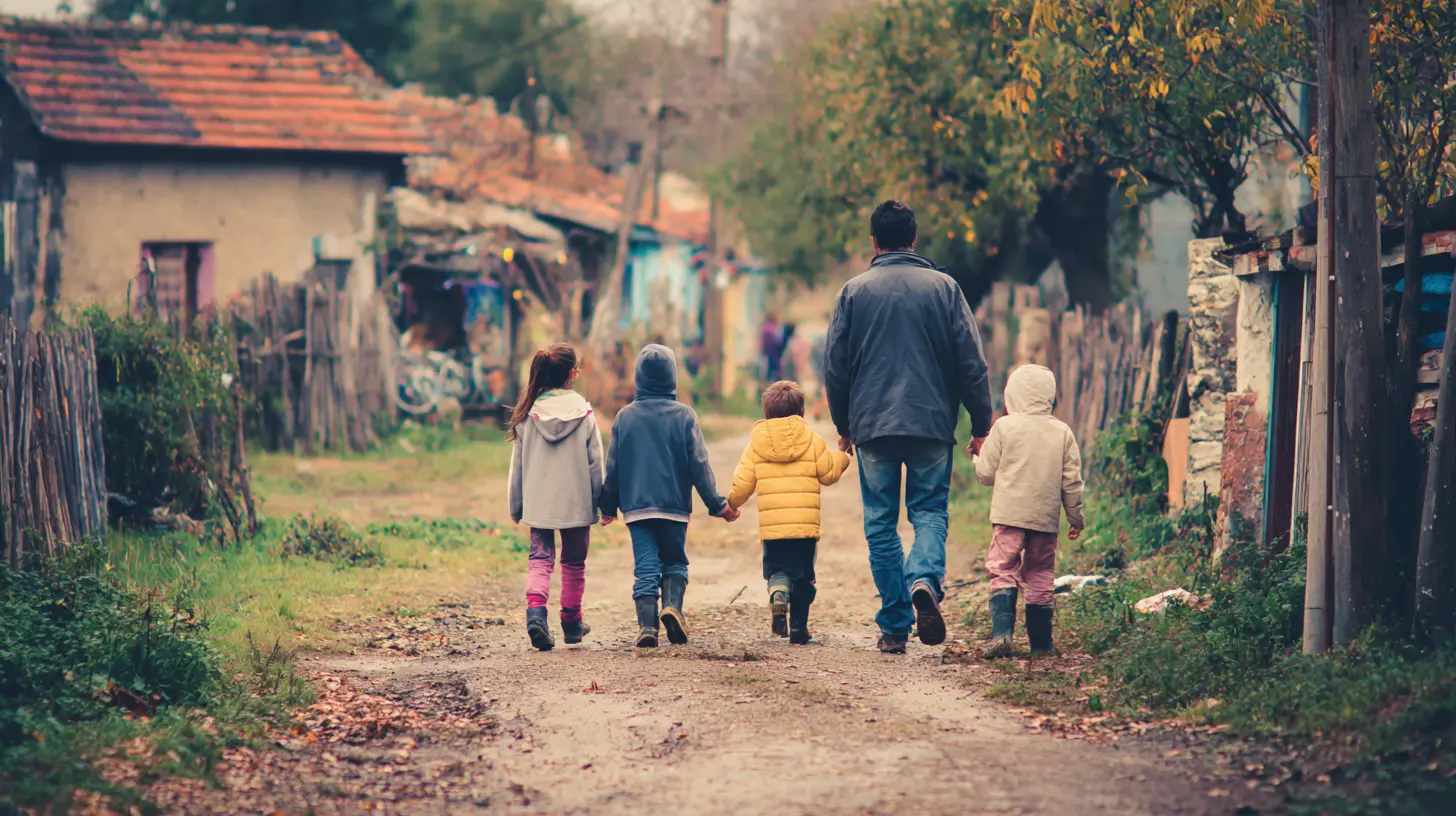
The traditional village worked because people stayed put. Grandparents lived down the street. Aunts, uncles, and cousins were within walking distance. Childcare was shared, meals were communal, and discipline was a collective effort. That model depended on geographic stability, which most of us no longer have. We move for jobs, for schools, for love. We live in suburbs where the garage door is the front door and the car is the primary social connector.But the collapse was not just geographic. It was cultural. We have become fiercely independent, and we wear that independence like a badge of honor. Asking for help feels like admitting failure. We see a mother struggling with a toddler in a grocery store, and we look away because we don't want to intrude. We see a father at the park who looks like he hasn't slept in days, and we say nothing because we don't want to be rude.
The result is a paradox. We have more parenting information than any generation in history, yet we feel less confident than ever. We have access to experts, apps, and forums, but we have no one to call when the baby won't stop crying at 3 a.m. The internet is a poor substitute for a neighbor who actually shows up.
The old village also had a dark side. It could be suffocating. Everyone knew your business. There was pressure to conform. Women were expected to do the bulk of the caregiving, and those who deviated were shamed. We don't want to go back to that. But we also don't want to live in a world where a new mother spends her first six weeks in a fog of isolation, seeing no one but her partner and the delivery of diapers.
The Core Problem: We Have Outsourced Connection
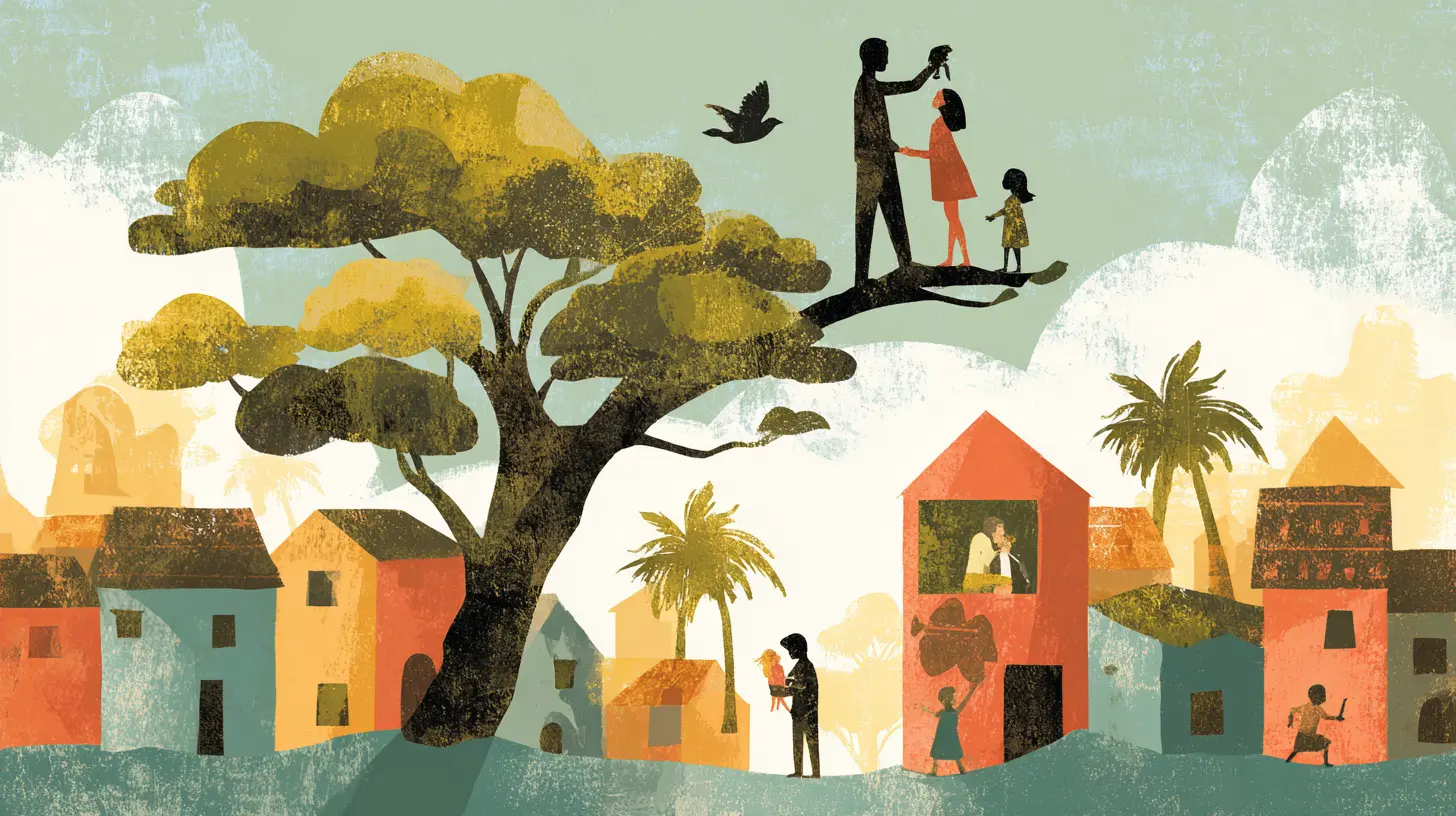
Here is the uncomfortable truth. We have not really gotten rid of the village. We have outsourced it. We pay for childcare, but we don't know the other parents at the daycare. We hire cleaners, but we never share a meal with them. We join parenting groups on Facebook, but we don't know our actual neighbors' names. We have replaced real, reciprocal relationships with transactional services.That works for some things. A paid babysitter is reliable. A professional cleaner does a better job than a well-meaning friend. But children do not need services. They need a web of adults who know them, who care about them, and who are invested in their growth. That web cannot be bought. It must be built.
The new model starts with a simple shift in mindset. Instead of asking, "What can I do for my child?" we need to ask, "Who is in my child's life, and how do we support each other?" This is not about creating a formal organization. It is about being intentional about the relationships we already have and creating new ones where there are gaps.
The Three Pillars of the New Village
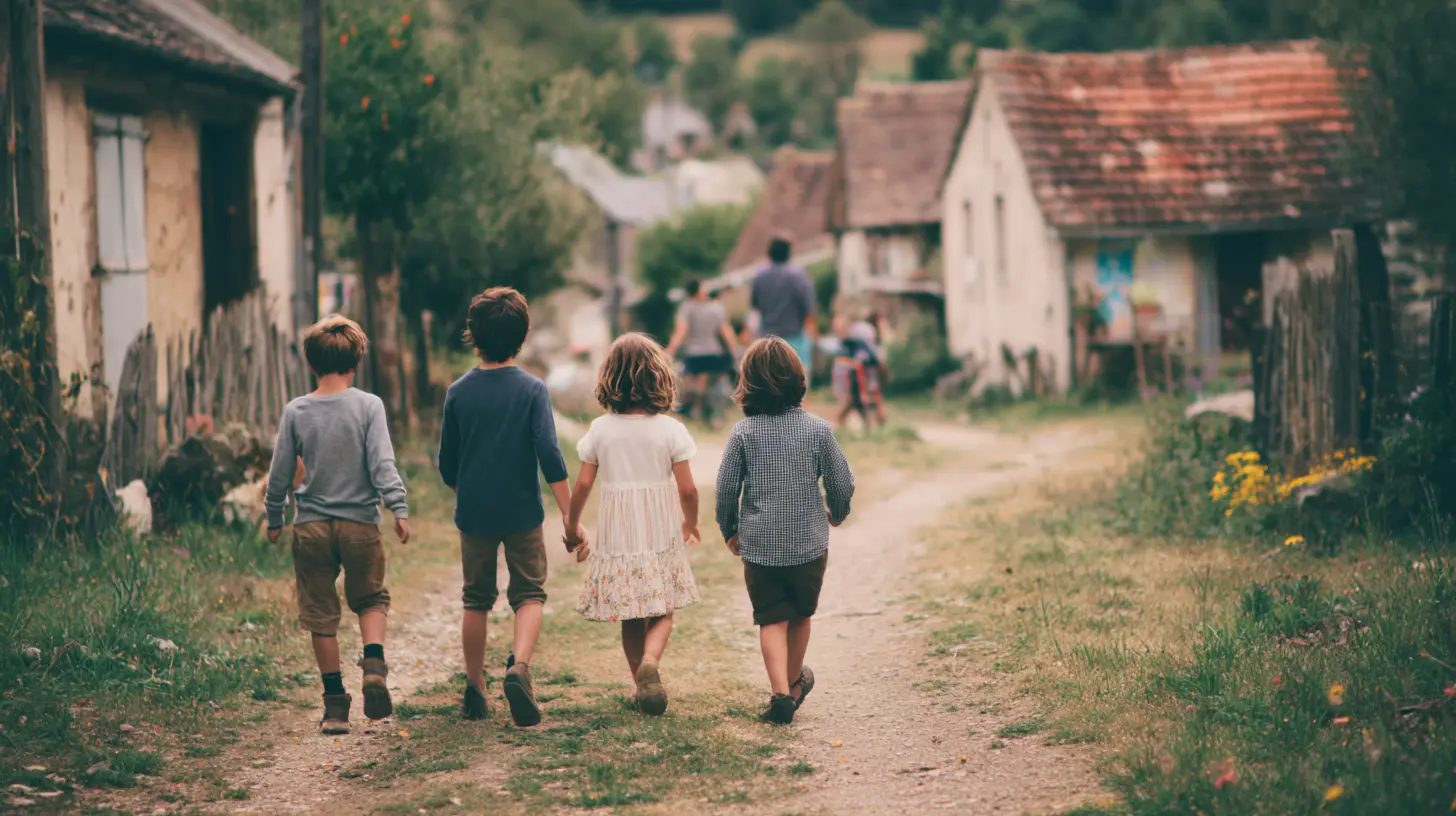
I have spent years talking to parents, observing different communities, and trying different models myself. What works is not a single system but a set of principles. I call them the three pillars: proximity, reciprocity, and shared values.Proximity: More Than Just Physical Distance
Proximity does not mean living on the same street, though that helps. It means being present in a way that is predictable and accessible. It means having at least one other adult who can pick up your child from school on short notice. It means having a neighbor who knows your kid's allergies and your dog's name.The mistake many parents make is assuming proximity is impossible in a modern city or a scattered family. They give up before trying. But proximity can be engineered. It starts with small, deliberate acts. Introduce yourself to the family two doors down. Ask the other parent at the playground what time they usually come. Join a local library group or a community garden. These are not just social niceties. They are the raw material of a support network.
One practical example: a group of four families in a single neighborhood decided to share a "family meal night." Every Tuesday, one family cooks for all four. The other three contribute money or ingredients. The children rotate houses, so each week they are in a different home. The parents get three nights off from cooking, and the kids get a built-in social life. It took about a month to organize and about two weeks to feel normal. That is proximity in action.
Reciprocity: The Art of Giving and Receiving
Reciprocity is the hardest pillar for many of us, especially those who were raised to be self-sufficient. We are comfortable giving help. We are uncomfortable receiving it. But a village is not a charity. It is a mutual aid society. You give, you receive, and you trust that it balances out over time, not in a single week.The key is to make reciprocity explicit and low-stakes. Do not wait for a crisis to ask for help. Ask for small things often. "Can you watch my daughter for twenty minutes while I finish a call?" "Can you grab my son from school tomorrow? I have a dentist appointment." When you ask for small things, you give others permission to ask you for small things in return.
A common mistake is to keep a mental ledger. "I helped her three times, and she only helped me once." That kind of accounting kills the village. Instead, think of it like a savings account. You make deposits, you make withdrawals, and occasionally you need an overdraft. The goal is not a perfect balance but a healthy, ongoing flow.
There is also a difference between reciprocity and obligation. If you help someone only because you feel you owe them, the relationship becomes transactional and resentful. The best reciprocity is spontaneous. You see a neighbor's kid playing alone, and you invite him in for a snack. You do it because you want to, not because you are keeping score.
Shared Values: The Glue That Holds It Together
You do not need to agree on everything with your village. In fact, it is better if you don't. A village that is too uniform becomes an echo chamber. But you do need to agree on the non-negotiables: safety, respect, and the basic idea that children are not property but people.This is where many attempts at building community fail. Parents join a group, and then they get into a fight about screen time or sleep training or discipline. The conflict is not the problem. The problem is that they never established a baseline of trust before the conflict arose.
Start by talking about values before you need them. Have a conversation about what you would do if a child had a tantrum in the park. Discuss how you handle discipline. Ask each other about fears and boundaries. These conversations are awkward at first, but they are the only way to build a village that can survive disagreement.
One family I know created what they called a "family compact." It was a one-page document, not legally binding, that outlined their shared values. It included things like "We do not shame children for their feelings" and "We always knock before entering a room." They shared it with their village, and it became a conversation starter. It did not prevent all conflict, but it made conflict manageable because everyone knew where the baseline was.
Real-World Models That Work
The three pillars are abstract. Let me give you some concrete models that I have seen work in different contexts. These are not prescriptions. They are starting points.The Micro-Co-op
This is a small group of three to five families who agree to share specific resources. It can be as simple as a shared babysitting pool. Each family gets a set number of "chits" per month. They earn chits by watching other people's kids, and they spend chits when they need a sitter. The system works because it is small enough to be flexible and large enough to provide real coverage.The trade-off is that you need families with similar schedules and similar tolerance for chaos. A micro-co-op with one family that has a newborn and another that has teenagers will not work well. But it can be adjusted. The family with the newborn might contribute by cooking meals instead of watching kids. The key is flexibility.
The Neighborhood Pod
This is a larger, more formal version of the micro-co-op. It often forms around a school or a church or a community center. The pod meets once a month, has a shared communication channel, and organizes events like potlucks, game nights, and group bike rides.The advantage of a pod is that it can handle bigger needs. A pod can organize a carpool for a sports team. It can coordinate meal delivery when a family has a new baby. It can even pool money to hire a part-time coordinator. The disadvantage is that it requires more administration. Someone has to send the emails. Someone has to book the community room. The village needs a mayor, even if the mayor is just a rotating role.
The Digital Bridge
For those who live far from family, the digital village is essential. This is not just a Facebook group. It is a deliberate structure. A group of parents who share a weekly video call for a "check-in" is a digital bridge. A shared document where everyone lists their upcoming appointments and asks for help is a digital bridge. The key is that the digital space must lead to physical action. If you only chat online, you have a forum, not a village.The best digital bridges are small, private, and specific. A group of five parents who all have children with the same rare condition is more valuable than a public group with ten thousand members. The small group can share real resources, like who has a spare nebulizer or which doctor actually listens.
Common Mistakes and How to Avoid Them
Building a village is not natural for most of us. We make mistakes. Here are the most common ones, and how to avoid them.Mistake One: Trying to Do It All at Once
Do not try to build a village in a week. You will burn out, and you will scare people off. Start with one relationship. Pick one family or one neighbor and invest in that connection. Have a coffee. Offer to help with one specific thing. Let the relationship grow slowly.Mistake Two: Waiting for a Crisis
If you only reach out when you are drowning, you will be too desperate to build a healthy relationship. The village is built in the calm times. It is built on Tuesday afternoons when nothing is wrong. It is built on a shared laugh at the playground. When a crisis hits, you will already have the trust you need.Mistake Three: Assuming Everyone Has the Same Resources
A single parent with two jobs does not have the same capacity as a couple with one stay-at-home parent. Do not judge. Instead, ask what the other person can offer. Maybe they can only offer a listening ear. That is still valuable. The village is not about equality of output. It is about equity of support.Mistake Four: Ignoring the Children's Agency
The village is for the children, not just for the parents. Ask the kids what they want. Do they want a different park to play in? Do they want to have a sleepover with a specific friend? When children have a say in the village, they are more likely to value it and contribute to it.Mistake Five: Making It a Chore
If building a village feels like another obligation, you will abandon it. The best villages are fun. They involve food, laughter, and shared experiences. If your group is only about logistics, it will not last. Add joy. Have a monthly potluck that has no agenda. Go on a group camping trip. Let the children run wild while the adults talk.
The Hard Questions You Need to Ask Yourself
Before you start building, ask yourself some hard questions. Your answers will shape the kind of village you can create.Do you actually want help? This sounds obvious, but many of us say we want help while simultaneously rejecting every offer. We say, "Oh, I don't want to be a burden." That is a polite way of saying, "I don't trust you enough to let you in." If you are not ready to be vulnerable, the village will not work.
What are your non-negotiables? Are you okay with someone else disciplining your child? Are you okay with different food rules? Are you okay with a child who is occasionally bored or mildly unsafe? If you cannot tolerate any deviation from your standards, you will have a very lonely village.
How much time can you actually give? A village is not a subscription service. It requires active participation. If you can only give two hours a month, be honest about that. There is a place for you, but it is a smaller place. Do not overcommit and then resent the commitment.
What is your conflict style? Villages have conflicts. A parent might not like how another parent talks to their kid. A child might get hurt on someone else's watch. How do you handle disagreement? Are you a confrontational person or a passive-aggressive one? The village will test you. Be ready.
The Role of Technology, Without Letting It Take Over
Technology can be a powerful tool for the village, but it can also be a crutch. The mistake is to think that a group chat is the same as a community. It is not. The group chat is the announcement board. The real village happens in person.Use technology for logistics. A shared calendar for carpools is essential. A group text for quick questions is helpful. A shared photo album lets grandparents feel included. But do not let the screen replace the porch. The best moments of the village are unplanned. They happen when you are outside, and a neighbor walks by, and you end up talking for twenty minutes while the kids play.
One practical rule: if a conversation in the group chat goes on for more than ten messages, take it offline. Call the person. Meet for a walk. The nuance and warmth of a real conversation cannot be replicated in text.
What to Do When the Village Is Not There
There will be times when you have no village. You have moved to a new city, or your existing network has collapsed, or you are simply too exhausted to build anything new. What do you do?First, lower your expectations. A full village is a luxury. A single reliable friend is a win. One neighbor who can take your child for an hour is a victory. Do not compare your situation to a social media fantasy of a perfect community.
Second, use professional support without guilt. A therapist, a parent coach, or a babysitter is not a substitute for a village, but they are a bridge. They can hold you up while you build your network.
Third, be the village for someone else. This is counterintuitive, but it works. If you are alone, find someone else who is alone. Offer to help them. In the act of giving, you will create a connection. That connection might grow into a reciprocal relationship. Even if it does not, you will feel less isolated because you have done something meaningful.
A Realistic Path Forward
Let me give you a step-by-step plan that is realistic for a busy parent. This is not a one-size-fits-all solution, but it is a starting point that has worked for many people.Week one: Write down the names of every adult you have regular contact with. Include neighbors, colleagues, other parents, and friends. Circle the ones who seem trustworthy and available.
Week two: Pick one person from that list and invite them for a casual, low-pressure get-together. A walk in the park is perfect. Do not talk about building a village. Just talk about life.
Week three: Identify one small need you have. It could be "I need someone to watch my kid for thirty minutes on Thursday" or "I need help figuring out a school issue." Ask that one person if they can help with that specific need.
Week four: Offer to help that same person with something. It does not have to be big. It could be bringing them coffee or picking up their mail while they are away.
Then, repeat. Slowly, over months, you will build a web of relationships. Some will fade. Some will become deep. The goal is not to have a perfect village but to have a few reliable connections that make life lighter.
The Payoff: What a Real Village Feels Like
A real village does not feel like a committee meeting. It feels like a backyard on a summer evening. There are children running around, adults talking in small groups, and a sense that everyone is watching out for everyone else.It means your child falls down, and there are three adults who rush over, and you do not have to panic because you know they are safe. It means you have a terrible night with a sick toddler, and the next morning a text arrives: "I made soup. I will leave it on your porch." It means your teenager is having a rough day, and they know they can go to the neighbor's house and talk to someone who is not you.
That is the new village. It is not a utopia. It has awkward moments and conflicts and disappointments. But it is real. It is built by imperfect people who decide that they would rather be connected than independent. It is humble, and it is powerful.
Final Thoughts
We cannot go back to the old village, and we should not want to. But we can build something better. We can create networks of care that respect our individuality while providing the support that every human being needs. It starts with a single conversation. It grows with a single act of help. It thrives when we let go of the idea that we must do it all alone.The village is not a place. It is a practice. It is the practice of showing up, of asking for help, of offering help, and of trusting that the people around us are doing their best. It is not easy. But it is worth it. For our children, and for ourselves.
all images in this post were generated using AI tools
Category:
Parenting And CommunityAuthor:

Austin Wilcox
Discussion
rate this article
1 comments
Harvey Mullen
It's so heartening to see a call for community in parenting. We often underestimate how much support from others can lighten our load and enrich our children's lives. Together, we can truly thrive.
September 3, 2026 at 3:49 AM
Austin Wilcox
I appreciate your thoughts. Community support is essential, and together we can create a nurturing environment for our children.